Friday, October 16, 2020

Lupine Publishers | Antibacterial activity of the rose extract

 Lupine Publishers | Open access Journal of Complimentary and Alternative Medicine


Abstract

Antimicrobial agents are defined as those substances which possess inhibitory effects against gram-positive and gram-negative bacteria, preventing their growth. Antibacterial agents are classified based on the type of action, source of antibacterial agent, and range of the spectrum. Rose belongs to the family Rosaceae. Hundred (n=100) species of roses are locally available. Roses are native primarily to the temperate regions of the Northern Hemisphere. There is a wide variety of colors available in roses which enhances the beauty of the rose. Most roses are locally available in Asia, North America and few are available in Europe. Many parts of rose have been used to check the antibacterial and antifungal property and they are highly active to remove toxins from the body and shown positive results to inhibit the growth of bacteria. Different parts of rose can be used separately against bacteria. Rose extract can also be used to treat sore throat and to relieve chest congestion. The agents which are responsible for the antibacterial and antifungal properties of the rose extract are flavonoid and phenolic compounds. The rose petals are powdered and mixed in distilled water and concentrated using a rotary evaporator. Pure cultures were swabbed on MHA plates and wells were made using sterile borer by agar well diffusion method. Twenty (20ul) of the extract was added in well and incubated at 37°C for 24 hours. Next day zone of inhibition was observed. To compare the activity of rose extract with amikacin, pure cultures were swabbed on MHA and amikacin disk was placed on each plate. Next day zones were observed. Rose extract has shown maximum inhibitory effects against Staphylococcus aureus whereas the inhibitory effects against Bacillus cereus, Bacillus subtilis, and Klebsiella pneumoniaewere not satisfactory. We have also observed that Vibrio cholera also showed sensitivity to rose extract whereas E.coli and Pseudomonas aureginosagave intermediate zones, therefore we suggest that we can use rose extract against Staph aureus, E.coli, Pseudomonas aureginosa and Vibrio cholera.

Keywords: Rose extract; Antibacterial activity; Sensitivity; Resistance; Disc diffusion

Introduction

Rose belongs to the family Rosaceae. Hundred (n=100) species of roses are locally available. Roses are native primarily to the temperate regions of the Northern Hemisphere. There is a wide variety of colors available in roses which enhances the beauty of the rose. Most roses are locally available in Asia, North America and few are available in Europe. There are so many important components of rose which plays an important role in the antibacterial activity of rose. Among them, the components which possess antibacterial activity are flavonoids, terpenes, anthocyanins. Flavonoids are classified as natural plant compounds usually they are secondary metabolites of plants with various phenolic structures saulriuzcruz et al. [1]. They have many properties that help to treat cancer Alzheimer’s disease like they pose biochemical and antioxidant effects, antimutagenic effect, anticarcinogenic effects, etc. A.N Panche et al. [2]. They are extracted from plants and are classified as a low molecular weight compound. Rose, onion is the major source of flavonoids Aleksandra et al. [3]. Apart from antibacterial and antifungal properties, flavonoids are also responsible for color and aroma production in flowersDr. Nicola. [4].They are helpful for plants in a way that they act as a UV filter which protects the DNA of plant from UV radiations Burak M et al. [5]. Classification is done based on C ring which contains carbonCalhoun et al. [6].Terpene is a biological compound present in the rose flower. Terpenes have great industrial and pharmaceutical usage. In food industries, it is used as a flavoring agent or fragrancing agent. Pharmaceutical industries have medicinal uses of terpeneJiang z et al. [7]. Concentrates in ongoing decades have shown that terpenes apply anti-inflammatory impacts by hindering different proinflammatory pathways. Terpenes have been shown to exert activity against cancer and tumorsCho KS et al. [8].

Anthocyanins belong to flavonoids class which includes a subset of the polyphenol. Red, blue, and purple shades of organic products, vegetables, grains, blossoms, and herbs are due to anthocyanin. Anthocyanin is a Greek word, anthos means to bloom and kyanos means blue. Anthocyanins are transcendently found in nature as glycosides of polyhydroxy and polymethoxy subordinates of 2-phenyl-benzopyryliurn or flavylium salts. They are separated by the quantity of hydroxyl and methoxyl types of the B-ring, by the number of sugars connected to the aglycon and the situation of connection, and by the nature and number of aliphatic or aromatic acids appended to the sugar deposits welch et al. [9]. In a past report, quiniccorrosiv, 5-hydroxymethylfurfural, pyrogallol, levoglucosan, and 4H-pyran-4- one, 2, 3-dihydro-3, 5-dihydroxy-6-methyl were the major distinguished segments in methanolic concentrate of R. indica petals. In like manner, another examination demonstrated that unstable oils of new blooms of R. Damascena, for the most part, have citronellol, geraniol, nonadecane, and heneicosane in the fundamental oil, while they have alcoholic segments, citronellol and geraniol in rose water portion bai S. et al. [10].

Several studies have been done on rose and its products. It was found that several diseases can be treated with rose products and rose extracts. A recent study was done to check the antiviral activity of rose flower. In this research rose petals extract were made with water and ethanol separately. Now, this extract used against HIV. Rose petals extract showed antiviral activity against HIV. It inhibits the activity of HIV by interfering in replication at different stages. A common flavonoid known as kaempferol found in rose petals inhibits the activity of viral proteasesPonvelayutham et al.[11] Mahmood n, et al.[12]. Rose extract also used against several bacterial species to treat various bacterial infections. It is effective against both gram-positive and gram-negative bacteria. But on the other hand, several rose species possess no antibacterial activity, it includes Bulgarian roseKalemba d et al. [13]. When the rose extract was made with different solutions it shows that rose extract along with petroleum ether showed great antibacterial activity as compared to rose extract with water or ethanolhirulkar n,b [14]. Without a doubt, the antimicrobial action of rose concentrates particularly rose fundamental oil is identified with compound segments particularly geraniol, citronellol and nerol or interdependent impacts between these segments. The antibacterial and antifungal exercises of geraniol were affirmed against an enormous number of microorganisms. Likewise, the interdependent impact between citronellol, geraniol and nerol were shown against Gram-positive, Gram-negative bacteria. On the other hand, the antimicrobial movement of rose concentrates is identified with compound parts of concentrates and their interdependent or adversarial impactsandogan B.C et al. [15]. Several compositions of the rose extract showed anti-cancerous activity. The geraniol as the fundamental mixes of R. Damascena'sacts using various systems. It causes the apoptosis in malignant growth cells and expands the outflow of apoptotic protein Bak-47 captures the G0/G1 period of cell cycle and diminishes cdk2 activity, restrains the 3-hydroxy-3-methylglutaryl-CoA (HMG-CoA) reductase and ornithine decarboxylase activity that at last causes the passing in diseased cells Elson C, E [16]. Rose extract also showed antidepressant activity.R. Damascenausing animating the β-adrenergic receptors repressing the histamine H1 receptors and obstructing the calcium channels of the tracheal chain, hindering the KCl-related withdrawal and electrical field incitement thus acts as a relaxant boskabady m. et al.[17]. The antidepressant impacts of R. Damascenafluid concentrate were affirmed in animal models. Rose total shows the energizer movement by diminishing the lipid peroxidation and expanding the cancer prevention agents in the cerebral cortex. As referenced previously, it is accepted that rose fundamental oil and rose water bring joy, fearlessness and are known as an erotic and sexual enhancer. It has been affirmed that rose fundamental oil used in infertility and drive through expanding the widths of seminiferous tubules, sperm check, and motility and upgrading the testosterone production. Furthermore, the organization of rose basic oil improves sexual brokenness and manifestations of depression in male patients experiencing significant depression issuesFarina v et al. [18]. Rose extract also showed antioxidant activity. Phenolic compounds and flavonoids are responsible for the antioxidant activity of rose. The advantages impact of rose fundamental oil against formaldehyde inward breath on the reproductive system are identified with the cancer prevention agent movement of rose basic oil.

Material and Methods

Sample collection

The rose petals were collected from the local flower market. The petals were dried under shade for 1 week, pulverized into fine particles Devyani Bahl et al. [19].

Preparation of rose extract

The petals were dried under shade for 1 week, pulverized into fine particles by using a home chopper machine. The extract was prepared using distilled water. 200g of fine powder of rose petal was mixed in distilled water. Then it was concentrated using a rotary evaporator. The mixture was strained using Whatman filter paper and was placed on the funnel to obtain a filtrate. The filtrate was refrigerated for further use.

Identification of Cultures and Biochemical Testing

Biochemical tests are the tests utilized for the recognizable proof of microscopic organism’s species dependent on the distinctions in the biochemical characteristics of various microorganisms. The biochemical test used for gram-positive strains is catalase, oxidase, coagulase, and urease. Catalase test is utilized to distinguish bacteria that produce the catalase. This catalyst detoxifies hydrogen peroxide by separating it into water and oxygen gas. Coagulase test is used to check the ability of an organism to clot blood plasma. Oxidase test is used to check the presence of an enzyme cytochrome oxidase that transfers electron in the electron transport chain. A urease test is done to identify that an organism can utilize urea or not. As a result of the breakdown of urea, ammonia is produced. For gram-negative organisms, the IMVIC test is used. IMVIC test contains an indole test, methyl red test, Voges Proskauer test and citrate test. Along with IMVIC, the TSI test is also performed. TSI is a triple sugar iron test in which an organism utilizes sugar and produced hydrogen sulfide

Antibacterial activity/susceptibility testing

To assess the antibacterial activity of the rose extract, eight cultures were collected from the known clinical laboratory of Karachi. Gram-positive cultures include S.aureus, B.cereus, B.subtilis. Gram-negative cultures include Pseudomonas aeruginosa, Vibrio cholera, E.coli, Klebsiella pneumonia, Enterobacter.They were all gram stained and confirmed by biochemical testing and then they were cultured on nutrient agar plates and preserved for further use.

The antibacterial activity of the rose extract was analyzed against these isolates by using Tryptic Soy Agar (TSA) plates, by agar well diffusion technique. Pure culture of test organism is transferred into 5ml nutrient broth, incubated for 24 hours at 37 °C and the test strain was swabbed on TSA plates. Well were made using sterile borer. 20ul of the filtrate was added in well. The plates were then incubated for the formation of zones.

Comparative analysis of rose extract with antimicrobial agent

For comparative analysis, we have tested the strains by Kirby Buer disc diffusion test in which we had used amikacin for comparison with rose extract. Amikacin disc was placed against these isolates on MHA plates. The plates were then incubated for the formation of zones.

Results

Identification of test organism

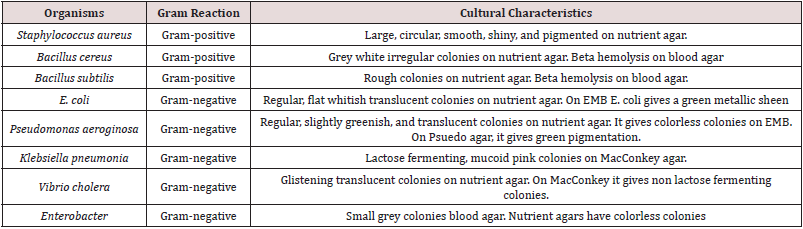
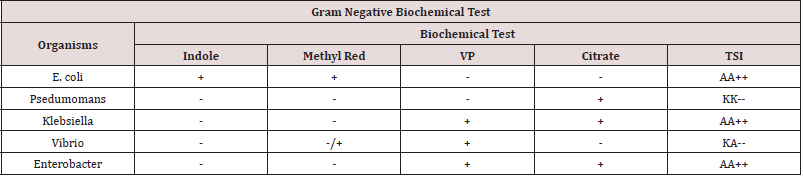
The test organism was identified based on by gram reaction of isolates, cultural characteristics, and biochemical tests such as IMVIC, TSI (Table 1-3).

Table 1: Morphological and cultural characteristics of identified strains.
Lupinepublishers-openaccess-complementary-alternative-medicine-journal

Table 2: Biochemical characteristics of gram-positive strains.

Lupinepublishers-openaccess-complementary-alternative-medicine-journal

Table 3: Biochemical characteristics of gram-negative strains.
Lupinepublishers-openaccess-complementary-alternative-medicine-journal

Antibacterial activity assay

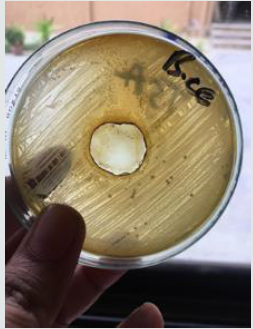
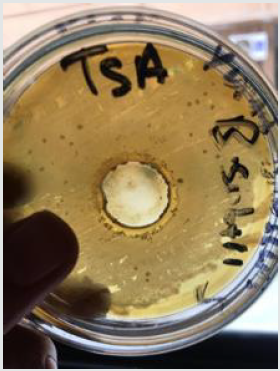
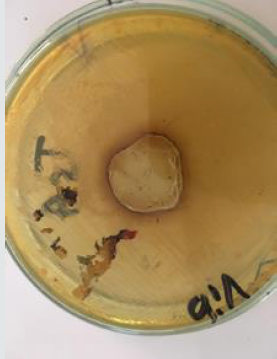
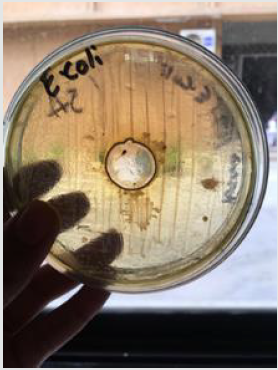
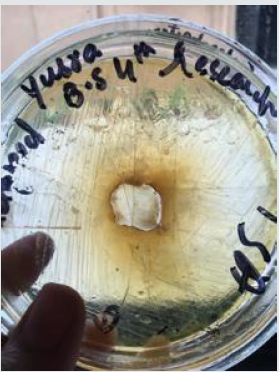
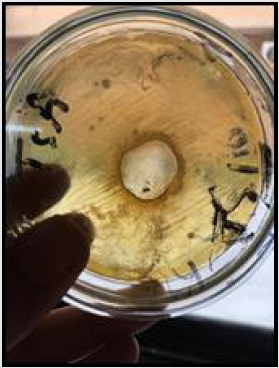
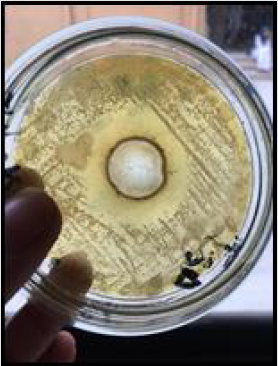
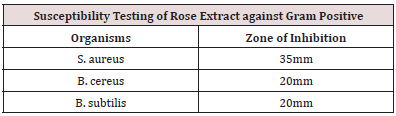
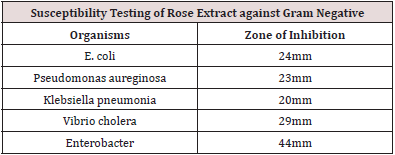
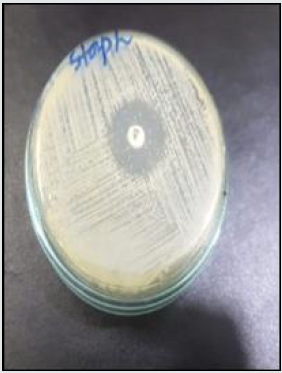
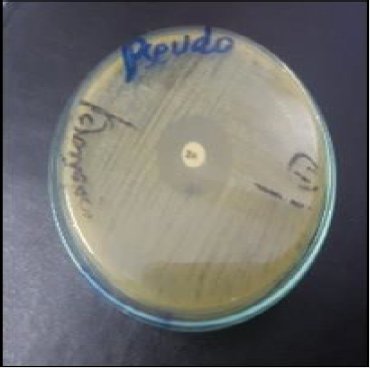
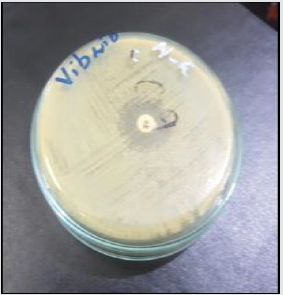
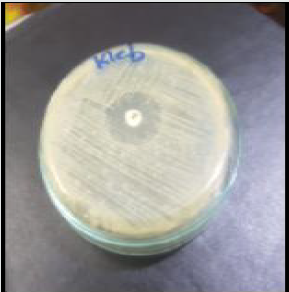
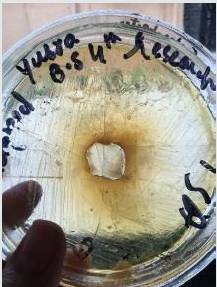
The antibacterial activity is checked against all seven test organisms. The results of the zone of inhibition showed in Table 4 and Figure 1-3. Table 5 and Figure 4-8.

Figure 1: Staph. aureus
Lupinepublishers-openaccess-complementary-alternative-medicine-journal

Figure 2: B. cereus

Lupinepublishers-openaccess-complementary-alternative-medicine-journal

Figure 3: B. subtilis

Lupinepublishers-openaccess-complementary-alternative-medicine-journal

Figure 4: Vibrio cholera

Lupinepublishers-openaccess-complementary-alternative-medicine-journal

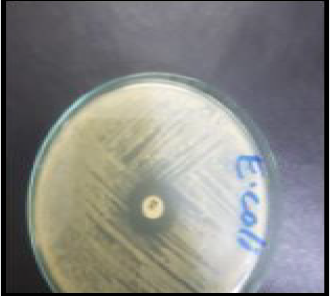
Figure 5: E.coli

Lupinepublishers-openaccess-complementary-alternative-medicine-journal

Figure 6: P aureginosa

Lupinepublishers-openaccess-complementary-alternative-medicine-journal

Figure 7: K. pneumonia

Lupinepublishers-openaccess-complementary-alternative-medicine-journal

Figure 8: Enterobacter

Lupinepublishers-openaccess-complementary-alternative-medicine-journal

Table 4:

Lupinepublishers-openaccess-complementary-alternative-medicine-journal

Table 5:

Lupinepublishers-openaccess-complementary-alternative-medicine-journal

Antibiotic susceptibility testing

Table 6 and Figure 9-11.
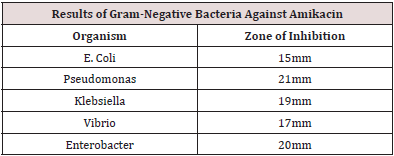
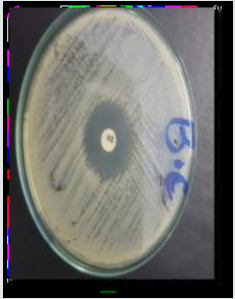
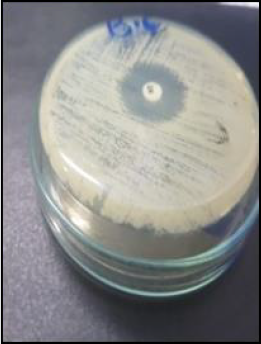
Table 7 and Figure 12-16.

Table 6:

Lupinepublishers-openaccess-complementary-alternative-medicine-journal

Table 7:

Lupinepublishers-openaccess-complementary-alternative-medicine-journal

Figure 9: Bacillus cereus

Lupinepublishers-openaccess-complementary-alternative-medicine-journal

Figure 10: Bacillus subtilis

Lupinepublishers-openaccess-complementary-alternative-medicine-journal

Figure 11: Staph aureus

Lupinepublishers-openaccess-complementary-alternative-medicine-journal

Figure 12: P. aeroginosa

Lupinepublishers-openaccess-complementary-alternative-medicine-journal

Figure 13: Vibrio cholera

Lupinepublishers-openaccess-complementary-alternative-medicine-journal

Figure 14: K.pneumoniae

Lupinepublishers-openaccess-complementary-alternative-medicine-journal

Figure 15: E.coli

Lupinepublishers-openaccess-complementary-alternative-medicine-journal

Figure 16: Enterobacter

Lupinepublishers-openaccess-complementary-alternative-medicine-journal

Discussion

Pathogenic microorganisms are the major cause of infectious illness worldwide because of their resistance ability. Today the most important need is the discovery of those natural agents that have the potential to kill or inhibit the growth of the microorganism and should have no toxic effects on the human body after consumption. Several types of research have been conducted to fulfill the requirement of the discovery of natural compounds. The traditional use of plants as medicines provide the basis for indicating which plant extract could be useful for specific medical conditions. In the past, many plant extracts such as rose extract, tea extract, clove extract have been used as an antibacterial agent which may help to treat several infections. It is important to investigate that the natural plants which possess antimicrobial activity can be used for large group or pathogens or not. Several studies have been conducted to check the antibacterial activity of various plants extract to prove that either they are helpful to treat various infections or not.

The present study represents the antibacterial activity of the rose extract. This plant contains a few parts, for example, terpenes, glycosides, flavonoids, and anthocyanins that affect the health of humans. The pharmacological impacts of R. damascene are vast. The majority of the CNS impacts are sleep-inducing, pain-relieving, and anticonvulsant impacts. The respiratory, cardiovascular, purgative, antidiabetic, antimicrobial, hostile to HIV, calming, and cancer prevention agent are different impacts of this plant. It is recommended that lipid dissolvable (non-polar) constituents of this plant are principally responsible for the vast majority of the previously mentioned impacts. According to results, the rose extract showed the highest activity against Enterobacter, S. aurus and vibrio cholera. But rose extract also showed activity against other tested microbes but to a lower extent.

To compare the activity of rose extract with an antibiotic, we selected amikacin to compare the antibacterial and antifungal activity. Amikacin is a novel antibiotic because it gives the best results against Pseudo and drug-resistant bacilli. It also showed activity against all tested strains.

Conclusion

This study shows there are many compounds present in rose flowers that possess antibacterial activity so it has confirmed that rose extract could be used for the treatment of various infections including multidrug-resistant staph aureus infections. Further studies should be done for antimicrobial screening of this product so that it can use in health care needs.

Authors’ Contributions

Conceived and designed the experiments: T Malik, Performed the experiments: Y Safdar, Analyzed the data: T Malik & Y Safdar contributed reagents/ materials/ analysis tools: T Malik & Y Safdar, Wrote the paper: Y Safdar.


For More Lupine Publishers Open Access Journals Please visit our Website:
To Know More About Open Access Publishers Please Click on Lupine Publishers

Follow on Twitter:  https://twitter.com/lupine_online

https://lupinepublishers.com/complementary-alternative-medicine-journal/fulltext/antibacterial-activity-of-the-rose-extract.ID.000144.php

Lupine Publishers | Back to the Future: The National Acupuncture Detoxification Association (NADA) Protocol Persists as an Agent of Social Justice and Community Healing by the People and for the People

Lupine Publishers | Open access Journal of Complimentary and Alternative Medicine


Opinion

NADA arose from a community response to inequities. NADA calls on the acupuncture community to support such community-based responses now. In the early 1970s, young activists in New York City agitated for change. Collectives comprised of many civic-minded activist organizations led by the Puerto Rican Young Lords Party called out systematic racism and oppression including the effects of social injustice upon the health of the people of color in the South Bronx. The actions of the Young Lords Party, the Black Panther Party, White Lightning, and others addressed many health-related concerns: trash collection, lead and tuberculosis screening, food insecurity, incarceration conditions and addiction. The movement was political and focused on social justice.
The South Bronx city hospital, Lincoln, called “the butcher shop” by locals, was not responsive to the call for help with the rampant heroin epidemic. So, in late 1970, the “Think Lincoln Committee” launched a surprise takeover and protest occupation of the Nurses’ Residence. Subsequent negotiations led to the creation of the Lincoln Detox Program, staffed with those same community members as well as progressive medical professionals. The program initially offered a short-term methadone detoxification intervention and had 200 people lined up on the first day. Until then, the only available treatment was forced methadone maintenance. The focus of Lincoln Detox was on social justice and the need for political education, engagement, and political healing in addition to individual health concerns (Figure 1 & 2).

Figure 1.

Lupinepublishers-openaccess-complementary-alternative-medicine-journal

Figure 2.

Lupinepublishers-openaccess-complementary-alternative-medicine-journal

Soon concerns about methadone as a chemical means of control and the challenges of methadone detoxification prompted the group to look for more Wholistic alternatives. Several activist staff members, including Mutulu Shakur and Walter Bosque Del Rio, went to Chinatown and hired an acupuncturist, who taught them to needle one ear point. Bosque Del Rio explained that the seminal Lincoln team, partially self-taught, pioneered the start of what is now known as the NADA protocol. The late Michael O. Smith completed the five-point combination in a collaborative effort of the treatment community and the persons getting care. Thousands of people were detoxed, and methadone was eventually dropped. The ear acupuncture success gained international attention. Over time, the NADA protocol has continued to undergo substantial refinement based on client feedback, staff observations and largevolume, wholistic clinical outcomes.
Several of the Lincoln members, including Smith, pursued further Traditional East Asian Medicine studies in Canada, China, and Shri Lanka, becoming full-body acupuncturists. Shakur along with Bosque Del Rio, Oscar Wexu and Mario Wexu, established an acupuncturist training program at Lincoln, one of, if not the first in the United States. Louis Surita (Zubair), Shakur and Bosque Del Rio “ran the Acupuncture Collective, the clinic and the Lincoln Acupuncture School from 1972-1978,” recalled Bosque Del Rio. After leaving Lincoln, Shakur created the Black Acupuncture Advisory Association of North America (BAAANA) and the Harlem Institute of Acupuncture. Bosque Del Rio became the Assistant Director of the Tri-State Acupuncture Institute and later served on the board of Tri-State College of Acupuncture.
Bosque Del Rio relayed that the city eventually took over, transferring the activists to other methadone programs that were not using acupuncture or political education. Lincoln Detox continued, without the militant political orientation, to provide ear acupuncture-based treatment, under Smith’s leadership. As cofounder of the NADA organization and ongoing Medical Director of what became Lincoln Recovery Center Smith kept the movement alive and facilitated broad adoption.
Carlos Alvarez became the primary NADA trainer sharing the NADA ear acupuncture and style of treatment. Nancy Smalls designed a ground-breaking maternal program with comprehensive services including peer counselors. Alvarez pointed out that over time more and more social workers and counselors, as well as acupuncturists, came and learned the Lincoln style of treatment, taking it back and applying it to their own communities. Alvarez noted, “We went through a series of epidemics: heroin, crack/ cocaine, AIDS, Hepatitis C, 1970s – 80s – 90s and on, with acudetox and supportive services.”
Honoring these roots, NADA has always focused on the underserved and marginalized. The “Spirit of NADA” is service. The NADA protocol-a style of engagement and care that includes a simple ear combination, often delivered in groups-works well not only for addiction and mental health conditions, but also in disaster response and emotional trauma healing, fostering dignity, hope and resiliency. NADA practitioners, including non-acupuncturists from various disciplines, continue to bring support to people in behavioral health, criminal justice, community initiatives and settings around the world. Many organizations adopt the NADA protocol as a tool for humanitarian aid and social justice. NADA has diverse leadership and membership, reflecting the people we serve.
Unfortunately, NADA has often met with fierce opposition from acupuncture organizations. In contrast, however, licensed acupuncturists as individuals have been quite supportive and actually comprise 40% of the general NADA membership. The majority of NADA members are representative of the multidisciplinary healthcare mainstream, including biomedical, social service, psychotherapy, peer counseling, public health, substance misuse, criminal justice, and integrative treatment providers. Collectively and for decades the general NADA membership has led the way in demonstrating what informed integrated care looks like and in proving the many benefits that can accrue from adopting the principles of NADA-style care.
In this moment, we face both the collective, acute trauma of a pandemic that is affecting lives and livelihoods and the chronic trauma of systematic, structural racism and oppression. Our nation needs what NADA can contribute-group response to group trauma. NADA offers a wholistic approach to a mental health system unequipped to address the overwhelming despair that has brought us to epidemic levels of addiction, anxiety and depression. NADA stands behind utilizing our protocol for the empowerment of historically oppressed peoples, preferabl delivered by those same peoples.
People of color and other marginalized communities face unnaturally high levels of stress-exposure and multi-generational trauma that can predispose, precipitate, and perpetuate a host of short-term and long-term adverse, severe and too often deadly physical and mental health concerns. The denial of basic rights to equality as a United States citizen and inalienable rights as a human being is unconscionable. The right to healthcare is a critical part of this calculus. NADA protocol specifically is a safe and effective method that can help programs, providers, and patients to cope better with these ill effects. The NADA protocol is especially notable for its extremely low risk of adverse outcomes, which creates a potential benefit-to-risk ratio that is absolutely unmatched by any pharmaceutical or other somatic intervention currently available.
In closing, the authors emphasize that an analysis of the Lincoln experience can inform how best to respond to the social unrest that is now manifesting across the country and across color and socio-economic lines in support of Black and Brown lives. Coming full circle, explosive social unrest has returned to challenge us here in the US. The “Spirit of NADA” stands as a time-tested model for effectively addressing that challenge with the integrity and inclusiveness that it deserves.
The iconic concept of the “Barefoot Doctor” is one often held up as a model of unselfish service. NADA invites the local, state, and national acupuncture organizations to actively support the NADA mission and goals as a manifestation of that kind of service. The widespread use of the NADA protocol by non-LAc NADA-trained frontline, community-based Acupuncture Detoxification Specialists (ADSes) offers one of the very best hopes of sufficient, appropriate, culturally relevant, and on-going access to care. Even California’s roughly 18,000 licensed acupuncturists could not begin to touch the need in that state. Furthermore, the widespread use of the NADA protocol by non-LAc providers in states with NADA-inclusive legislation supports the Traditional East Asian Medicine (TEAM) profession by spreading acupuncture awareness and goodwill. Broad-based support of NADA ADS inclusions in all 50 states can indeed be a win for all.


For More Lupine Publishers Open Access Journals Please visit our Website:
To Know More About Open Access Publishers Please Click on Lupine Publishers

Follow on Twitter:  https://twitter.com/lupine_online

https://lupinepublishers.com/complementary-alternative-medicine-journal/fulltext/back-to-the-future-the-national-acupuncture-detoxification-association.ID.000143.php

Friday, September 18, 2020

Lupine Publishers | Diversity of Food-Borne Pathogens Isolated from Raw Meat Sample

 Lupine Publishers | Open access Journal of Complimentary and Alternative Medicine


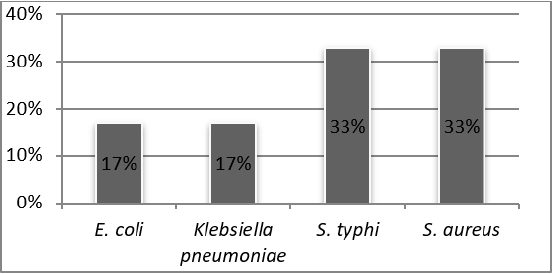
Foodborne diseases are considered to be the wide-spread health problem in most parts of the world especially in developing countries. The aim of the study evaluates the frequency of microbial contamination of raw meat that is often contaminated with foodborne pathogens. The perishable nature of nutritious meat is one of the potential sources of pathogens as well as an excellent vehicle for transmitting foodborne disease in human beings. In this study, Six (n=6) samples of meat such as beef, mutton, lamb, chicken, fish, camel meat were collected from common retail shop of Karachi and analyzed for the prevalence of pathogenic microorganism by using standard plate methods to purify it on specific agar and to perform biochemical testing for identification and isolation of bacterial species. In our study, it was found that 33% isolates of S. typhi and S. aureus were found whereas 17% isolates of E. coli and Klebsiella pneumoniae were detected from various meat samples. It is therefore expedient that great care should be taken during handling and good hygiene practices should be followed to reduce the microbial load to a harmless level.

Keywords: Food; Disease; Organisms; Meat sample

Introduction

Meat has long been known for its enrichment composition containing a rich source of protein, carbohydrate, vitamins, and fats. Most people rely on meat due to the presence of this entire rich nutrient that is required for the human body. Meat including beef, mutton, poultry, fish, lamb, and camel meat [1].

Nutritional composition of beef and mutton and their role in the human immune system

Meat is one of the most edible and delicious food in the world that play a role in human metabolic functions. Beef and mutton meat contain a large amount of protein and Vitamin (B12, B3 (Niacin), B6), Iron, Zinc, Selenium, and minerals. This could be beneficial to the body for the building of body tissues and help in the repair mechanism. It also helps in the production of antibodies to build up immune system [2].

Composition of fish with the supplement of Omega 3 and their role in the human body

Proteins are the second major part of a fish constituent. Two essential amino acids called lysine and methionine are generally found in high concentrations in fish. Fish meat is also a valuable source of minerals such as sodium, potassium, magnesium, phosphorous, iron, and omega 3 fatty acids that can help in reproduction and brain development. Fish also has non-protein nitrogen (NPN) fraction which is water-soluble. The constituents of the NPN fraction play a major role in the quality of fish [3]. Raw fish is often contaminated with foodborne pathogens. It provides a perfect medium for the growth of the microbial pathogens such as Salmonella, Escherichia coli, Shigella sonnie and Listeria monocytogenes. They have been found in raw fish through washing water or may be from contact surfaces [4].

Composition of lamb meat and their function in the human body

Lamb meat is an excellent source of Vitamins B6, B12, protein, zinc phosphorous, selenium, folate, and choline that act as an antioxidant that prevents reactive oxygen species in the body. They also reduced the level of unwanted accumulation of homocysteine in the body. High blood levels of homocysteine responsible for causing cardiovascular disease. Another property of grass feed lamb meat contains Conjugated linoleic acid (CLA) that helps in reducing inflammation and body extra fat. The combination of both can reduce the risk of heart diseases [5]. Lamb meat can be contaminated with a variety of microorganisms such as Staphylococci, Corynebacterium, Streptococci, Micrococcus, Salmonella, Escherichia coli, coliform and Yeast [6].

Composition of fatless camel meat used for medicinal purpose

The demand for camel meat is mainly due to the health benefit purposes. It is a source of high-quality meat due to the presence of unsaturated fatty acids like linoleic acid which prevents from tumor or cancerous diseases. It also contains less fat content which is recommended for weight loss and prevent from heart diseases and atherosclerosis. It also reduces cholesterol level in the blood [7,8].

Composition of chicken and spread of microorganism in poultry meat

Chicken meat is one of the most consumed food in Pakistan. It is nutritious with rich protein content. All vitamin B are present in chicken meat, including B1, B2, B3, B5, B6, B12, folate, biotin, choline, selenium, zinc, copper, and omega 3. Recent research has proved that intake of chicken meat can reduce the risk of colorectal cancer. It contains fiber that can lower blood cholesterol and blood LDL-cholesterol [9]. Poultry meat is contaminated with a variety of microorganisms, including those capable of spoiling at freezing temperatures. Raw chicken meat is contaminated with certain foodborne pathogens such as Campylobacter jejuni, Salmonella enteritis, Staph. aureus, Listeria monocytogenes. Others may also be present which includes the most recently reported Arcobacter and Helicobacter spp and occasionally, verotoxigenic Escherichia coli [10].

Spoilage of Meat

The perishable nature of meat is highly sensitive to spoilage by contact with different microorganisms through exogenous and endogenous sources. Out of which, the intestinal tract of animal is the main source of microorganism. Organism that may infect a living animal causing endogenous diseases may also spoil the meat. Consumption of this meat from an infected animal can cause diseases in human. Three sources of exogenous contamination are by slaughtering, handling, and processing. Due to these biochemical changes that allow microorganisms to grow in meat and carry the greater chances of contamination [11]. Microbial spoilage of food is an area of global concern, causing serious foodborne intoxications and resulting in high economic losses for the food-producing sector.

The predominant bacteria associated with spoilage of meat are Carnobacterium spp., Enterobacteriaceae, Lactobacillus spp., Leuconostoc spp., Pseudomonas spp. and Shewanella putrefacients [12]. The poikilothermic nature of fresh fish meat that allows a wide variety of bacteria to grow and spoiled the fish which includes Gram- negative, rod-shaped bacteria which belong to the genera Pseudomonas, Moraxella, Acinetobacter, Shewanella, Flavobacterium, Aeroemonadaceae, and Vibrionaceae, and Grampositive bacteria such as Bacillus, Micrococcus, Clostridium, Lactobacillus, and Corynebacterium [13,14].

Mechanism of rigor mortis occurring in meat

Rigor mortis is a physiological change that occurs after the death of an animal in which the hardening of skeletal muscles becomes maintained for a certain period approximately within 12 to 24hrs. then gradually flexible after 24 hours. Normally glycogen present in the muscles of the animal. When the animal is slaughtered in the excited state, its glycogen converts into lactic acid in bulk amount. Suddenly the change in pH is occurred which turns into acidic so it allows acidophilic bacteria to grow which can spoil the meat easily. The process is known as rigor mortis occurring in meat [15]. Greater chances of bacterial contamination during slaughtering and then cutting by using tools such as knives, wooden board, weighing scale and meat mincer. Or it may the meat handler who is shedding microbes and can act as a carrier.

Presence of foodborne pathogens in meat through contact surfaces and processing

The perishable nature of meat provides a substrate to support the growth of microorganisms in meat. Meat contains a wide range of pathogenic microorganism that is obtained either from contaminated surfaces or during processing. Most of these bacteria can produce biofilms that protect them from external harm and enable them to adhere strongly to contact surfaces. The greater chances of bacterial pathogens during meat-processing and their equipment so the surfaces and processing both may contribute to the contamination of meat [16].

Bacterial Foodborne Diseases

Foodborne diseases are a major cause of death in developing countries by representing an important public health problem worldwide. It is assumed that foodborne and waterborne diarrheal diseases kill more than 2.2 million people each year. Foodborne diseases resulting from the ingestion of bacteria, toxins, and cells produced by microorganisms present in food. Toxins may not alter the appearance, odor, or flavor of food but may cause food poisoning. Common kinds of bacteria that produce toxins include Staphylococcus aureus and Clostridium botulinum. The intensity of the signs and symptoms may vary with the amount of contaminated food ingested and susceptibility of the individuals to the toxin. Foodborne microorganisms can cause severe illnesses to humans which may also lead to the drug resistance [17,18].

Approximately 69% of gram-negative bacteria are known to cause bacterial foodborne diseases. Several researchers have reported that the meat samples contaminated with a higher load of Klebsiella pneumoniae, Enterobacter spp, Pseudomonas aeruginosa, E. coli, Salmonella sp, Serratia marcescens, Proteus Vulgaris, Staphylococcus aureus and Bacillus sp. On the other hand, foodborne pathogens can disseminate from contaminated meat to the surfaces and can spread infections in the community [19-23].

Antibiotic Resistivity

Some bacteria have developed resistance against antibiotics that are not killed or controlled by antibiotics even they can multiply in the presence of these drugs. It could be more difficult to treat people if they became ill with the antibiotic-resistant strains such as the most recently reported resistance is carbapenem-resistant Enterobacteriaceae (CRE). These strains have developed resistance against carbapenem drug e.g. Klebsiella. Staph. aureus is found to be resistant against multi drugs and falls in the group of Methicillinresistant Staphylococcus aureus (MRSA), Salmonella typhi is found resistant against chloramphenicol, ampicillin, tetracycline, and trimethoprim. They are responsible for a well-known public health problem [24].

Materials and Methods

Sample collection

A total of Six (n=6) samples of raw meat were collected in a sterile container which includes minced chicken, beef, mutton, lamb, camel, and fish. 1 gram of each minced meat samples was weighed and transferred into a tube containing 9ml of selenite broth for enrichment. Then it was incubated at 37 °C for 24 hours. After incubation, streaking was done on nutrient agar plate. And the plates were incubated at 37 °C for 24 hours to the study was carried out to determine the microbial load among different raw meat available in common retail shops of Karachi, Pakistan. This study is designed to characterize the foodborne pathogens, which include S. aureus, E. coli, Salmonella, and Klebsiella isolated from raw meat samples and to determine the susceptibility pattern of isolated bacterial strains against the frequently prescribed antibiotics. These isolated bacterial strains are known as foodborne pathogens resulting in food intoxication. This research is necessary to the public which will create awareness among the consumers to prevent foodborne illnesses. Observe the colonial characteristics on nutrient agar and to perform gram staining and further identification tests to identify the isolates.

Antibiotic Susceptibility Testing

Antibiotic susceptibility testing is performed by using Kirby- Bauer disc diffusion method in which loop full culture of the identified isolate was streaked on MHA plate and antibiotics are dispensed on it. Zone of inhibition was observed after incubation of 24hours at 37 °C as per CLSI guidelines (Table 1).

Figure 1: Percentage of obtained organisms in meat samples

Lupinepublishers-openaccess-complementary-alternative-medicine-journal

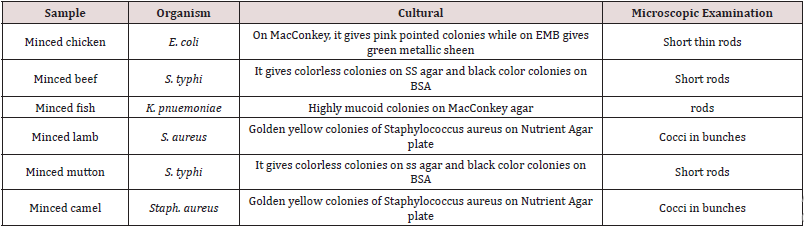
Table 1: Cultural Characteristic of isolates detected in meat samples.

Lupinepublishers-openaccess-complementary-alternative-medicine-journal

Result

In this study, different samples such as beef, fish, mutton, chicken, lamb and camel meat were analyzed which shows that meat sample is contaminated with foodborne pathogens such as E. coli, Staph. aureus, S. typhi, Klebsiella pneumoniae. It was found that 33% isolates of S. typhi and S. aureus were found whereas 17% isolates of E. coli and Klebsiella pneumoniae were detected from various meat samples. Most of the isolates were members of the Enterobacteriaceae so they differentiate based on lactose fermenter and nonlactose fermenter. E. coli and Klebsiella gave pink colored colonies on MacConkey agar while S. typhi gave colorless colonies. Biochemical testing was performed to differentiate among Enterobacteriaceae and identification of bacterial species. E. coli gave indole and methyl positive while Voges Proskauer and citrate negative. Klebsiella pneumoniae gave a positive VP test and citrate utilizing test.

In TSI test, acidic slope and acidic butt was found with gas production. S. typhi gave only MR test positive and in TSI it gave alkaline slop, acid butt with H2S production. All presumptively identified cultures were plated onto the selective medium, such as E. coli was inoculated on EMB agar. After incubation, it gives green metallic sheen. S. typhi was streaked on BSA and it gives black centered colonies with a black zone with metallic sheen surrounding the colonies. The positive result of catalase and coagulase test confirms the presence of Staph. aureus. All the identified isolates were susceptible to streptomycin, ceftriaxone, and sulfamethoxazole with average zones of inhibition at the respective concentrations as shown in Table 3 while staph. aureus was found resistant to oxacillin and s. typhi was found resistant to tetracycline.

Table 2: Antibiotic susceptibility testing.

Lupinepublishers-openaccess-complementary-alternative-medicine-journal

Discussion

This study was conducted to investigate the microbial load of foodborne pathogens in different raw meat sample which is available in open retail shops of Karachi. The presence of bacteria in raw meat has been widely reported from different parts of the world [24]. Some reports have recognized the presence of viable bacteria, especially gram-negative organisms from 106 to 109, as an indication of open-air meat spoilage [51]. In this study we detected the presence of pathogenic bacteria in raw meat including salmonella spp. (33%), Escherichia coli (17%), staphylococcus aureus (33%), and Klebsiella pneumonie (17%) which reflects the role of animal meat as a major reservoir for spreading pathogenic agents. Therefore, meat handlers and sellers should be made aware of the adverse effects of a lack of proper personal and environmental hygiene, along with sanitation.

Also, consumers should properly wash and cook the to avoid cross-contamination [25]. In this study raw chicken sample was found to be contaminated with E. coli (n=17). The presence of this indicator organism in raw meat might have originated from animal tissues or contaminated tools used during slaughtering and related treatment or cutting process. The identification of E. coli in this study showed the presence of fecal contamination and previous studies have shown that the presence of these organisms in food makes food unhealthy for consumption [26]. The high rate of prevalence of S. aureus (n=33) in raw lamb and camel meat indicates the presence of cross-contamination, which is usually related to human skin and clothing. This level of food contamination by this pathogen might lead to the food intoxications. Moreover, it is a major target in the screening of slaughterhouse carcasses to monitor hygienic conditions [27]. Raw beef and mutton sample were found to be contaminated with Salmonella typhi (n=33). The presence of S. typhi in raw meat indicates that the contamination is from human origin and may be the result of poor personal hygiene during the handling and processing of food. Salmonella continues to be a serious threat to consumer health not only due to its pathogenicity but also to its ability in adapting many different environments. The results of this study indicate that the rate of salmonella contamination in retail meat samples were high, ranging from 17% from beef and mutton samples [28]. In our study Klebsiella pneumonie (n=17) isolates were detected from the raw fish meat sample. A high incidence of Klebsiella spp from raw meat was also reported previously. Our data confirmed that the sold raw meat is of poor bacteriological quality and poses a high risk for consumer health. All the identified isolates were susceptible to streptomycin, ceftriaxone, and sulphamethoxazole antibiotic while S. typhi was found resistant against tetracycline. Staph. aureus showed resistance to oxacillin so it can be said that staph. aureus may have the ability to produce beta-lactamases enzyme.

In the developing world, foodborne infection leads to the death of many children, as well as resulting in diarrheal disease which can have long-term effects on children’s growth as well as on their physique To reduce the foodborne pathogens, like E. coli, staph. aureus Klebsiella and salmonella contamination rates in retail raw meats, it is critical that risk reduction strategies are used throughout the food chain. These strategies include on-farm practices that reduce pathogen carriage, increased hygiene at both slaughter and meat processing, continued implementation of HACCP systems, and increased consumer education efforts. Additionally, consumption of undercooked meat products and cross-contamination during food handling and preparation must be avoided to ensure food safety at home and in the foodservice industry.

For More Lupine Publishers Open Access Journals Please visit our Website:
To Know More About Open Access Publishers Please Click on Lupine Publishers

Follow on Twitter:  https://twitter.com/lupine_online

https://lupinepublishers.com/complementary-alternative-medicine-journal/fulltext/diversity-of-food-borne-pathogens-isolated-from-raw-meat-sample.ID.000141.php

Lupine Publishers | Phytochemical and Antioxidant Activities of Different Fractional Extracts of Alstonia scholaris Linn

 Lupine Publishers | Open access Journal of Complimentary and Alternative Medicine


Alstonia scholaris Linn is popularly known as the “Chatim” or the Devil tree, which are used as a well-known remedy for the treatment of various types of disorders in the Ayurvedic, Homoeopathic and Folklore system of medicine in Bangladesh, India and many others countries. Alstonia scholaris is mainly used for the treatment of diarrhoea and malaria as a tonic, febrifuge, emmenagogue, anticholeric and vulnerary. Considering the medical importance and source of origin, the plant Alstonia scholaris has been subjected for fractionation with different solvents. The different fractions of ethanolic extract of Alstonia scholaris were evaluated for antioxidant activity as well as biological activity. Phytochemical properties of leaves of Alstonia scholaris were also investigated. The different solvent fractions showed the presence of tannins, glycosides, steroids, and alkaloids. The different fractions of ethanolic extract of Alstonia scholaris were evaluated for the total phenolic content, total flavonoid content, reducing power capacity, total antioxidant activity and DPPH radical scavenging activity. From the result on the various antioxidant activity tests, it was found that Dia-ion resin adsorbed fraction showed the highest value, followed by petroleum ether fraction, ethyl acetate fraction and chloroform fraction. Overall results of the antioxidant evaluation and various biological screening tests were found satisfactory and may encourage researcher to use this plant as a source of potent antioxidant food material as well as bioactive toxic compounds to be used in therapeutic drugs preparation.

Keywords: Phytochemistry; Antioxidant Activities; Alstonia scholaris; Chloroform

Introduction

Plant kingdom is a mysterious world of chemical compounds and mainly organic compounds. The nature abounds in organic compounds of every conceivable structural class. The cells of living organisms, plants, fungi, other animals are the sites of complex biosynthetics that result in the formation of many varieties of organic compounds; many of them are of great importance to mankind [1]. This is why the modern world is interestingly tending to go back to the pre- industrialized days, when the mankind used to depend on the plant kingdom for their food, shelter, medicine, and other essential commodities. This is perhaps, the only way to protect the ecological balance. The raw materials of the plant kingdom as mentioned above are directly or indirectly produced by the plants but are very seldom used by themselves and serve human beings in many ways. These are called the secondary metabolites or the natural products [2]. By the metabolic activity of plants produces not only the food materials so essential for sustenance of the life of animals but also certain other substances, such as alkaloids, vitamins, glycosides, toxalbumins, essential oils, resins, bitter principles etc. which are necessary for growth, maintenance and protection of life [3].

Many of these are essential for metabolic activities [4], many are medicines to human and animal life. Many of these are harmful to animal life, at least under certain conditions. Plants containing medicinal properties are commonly known as medicinal plants. The plants containing these principles are capable of acting deleteriously, are popularly known as poisonous plants. A poisonous plant is one which, as a whole or as a part thereof, under all or certain conditions, and in a manner and in amount likely to be taken or by brought into contact with an organism, ‘will exert harmful effects or cause death either immediately or by reason of cumulative action of the toxic property, due to the presence of known or unknown chemical substances in it [5].

Although some of these plants are once poisons, medicines and food or fodder. The genus Alstonia belongs to the family Apocynaceae. It includes totally 43 species of which two species namely, A. scholaris (L.) R. Br. and A. venenata R. Br. are represented in South India [6]. These two species can be identified with their habits, shape and texture of the leaves, fruit size and papilla of the seeds The bark of Alstonia scholaris L is bitter, astringent, acrid, thermogenic, digestive, laxative, anthelmintic, febrifuge, antipyretic, depurative, galactogogue, stomachic, cardiotonic and tonic [7]. When these plants are used in herbal formulations, their botanical identity needs to be established beyond any ambiguity [8]. It has been found an important medicinal plant and addressed by scientist from various countries [9]. But in our country, this plant has not been studied in detail till now. Plant constituents are found different in quantity as well as in structure when collected from different sources.

Methods and Materials

All the reagents and chemicals were used for the presence work were purchased from THOMAS BAKER (MUMBAI, INDIA), BDH (ENGLAND), FLUKA (SWITZERLAND) and E. MERCK (GERMANY). Commercial alcohol (rectified spirit) and absolute alcohol were available from Carew and company, Darsana, Chuadanga. The Solvents used mainly in this work are benzene, acetone, tetrahydrofuran (THF), ethyl acetate, chloroform, n-hexane, petroleum ether, methanol, absolute alcohol, toluene etc. The solvents were dried and distilled when necessary.

During the present work solvents were purified priors to use by distillation at the boiling point at the respective solvents. Evaporation of solvents from the extracts and other solutions were carried out on a rotary evaporator under reduced pressure of bath temperature not exceeding 40 °C. The purity of the compounds were tasted by analytical thin layer chromatography (TLC) on silica-gel plate and the Spots were made visible either by exposing it under UV lamp or iodine vapour or by spraying with the some suitable spray reagents, if it is not visible in the day light.

All evaporations were carried out under reduced pressure using a Rotary Vacuum Evaporator (rotavapour) on water bath temperature was not exceeding 40 °C. Smaller volume of non-aqueous solvents were removed by keeping in open air. Crystallization was employed as a final purification process. The solvent was chosen in which the compound was least soluble. The compound was dissolved in a minimum volume at a solvent in hot condition and was left for crystallization. Sometimes mixture of solvents was also used. The Alstonia scholaris plant leaves were collected from the cultivated adjacent areas of BCSIR, Rajshahi. The collected leaves were washed with water.

100g of fresh leaves were taken for the determination of water content. Then the fresh leaves (100g) were dried at room temperature and the dried leaves were weighted again and that was 37g. Therefore, the water content of the leaves of Alstonia scholaris was calculated below:

Dried ground of Alstonia scholaris leaves (W1=1.5802g) were heated at 105 °C until a constant weight was reached (W2 = 1.4562g) and the moisture content was determined.

Moisture content =

= 7.84%

Dried ground Alstonia scholaris leaves contain 63% water content and 7.84% moisture content. Thus, the dry matter of Alstonia scholaris given below:

Dry matter = 100 – (63+ 7.84)= 29.16%

Process of Extraction

The collected materials were washed thoroughly in water, chopped, air dried for a week at 35-40 °C and pulverized in electric grinder. Dried ground leaves of Alstonia scholaris were exhaustively extracted with ethanol (EtOH, Analytical Grade, BDH Laboratory Supplies) in Soxhlet apparatus. The resulting juicy extract was filtered through Whatman paper No.1 and concentrated under reduced pressure at 45 °C using the Buchi Rotavapor R-200 to obtain a crude residue (23.5%).The process have done for several time to increase the crude extract. Then water triturate part was collected from crude extract. The water triturate fraction was passed through a previously well packed Dia-ion resin column which has selectivity to collect only the phenolic group containing compounds. Then the materials, which were bound in resin column, collected by passing methanol solvent. Then Petroleum ether, Ethyl acetate and Chloroform solvents were passing through the residue respectively. Finally, Petroleum ether, Ethyl acetate and Chloroform triturate were collected.

Total phenolic content of different extractives of Alstonia scholaris were determined employing the method as described by involving Folin-Ciocalteu reagent as oxidizing agent and Gallic acid as standard [10].

Determination of Total Antioxidant Activity

1. 0.5mL of plant extract or standard of different concentration solution was taken in a test tube.

2. 3mL of reaction mixture containing 0.6M sulphuric acid, 28mM sodium phosphate and 1% ammonium molybdate was added into the test tube.

3. The test tube was incubated at 95 °C for 10 minutes to complete the reaction.

4. Then the absorbance of the solution was measured at 695nm using a spectrophotometer against blank after cooling at room temperature.

5. A typical blank solution contained 3mL reaction mixture and the appropriate volume (300μL) of the same solvent used for the sample, and it was incubated under the same conditions as the rest of the sample’s solution.

Determination of Dpph Radical Scavenging Activity

1. 2mL of methanol solution of plant extract or standard at different concentration was taken in a test tube.

2. 3mL of methanol solution of DPPH was added into the test tube.

3. The test tube was incubated at room temperature for 30 minutes in dark place to complete the reaction.

4. Then the absorbance of the solution was measured at 517nm using a spectrophotometer against blank.

5. A typical blank solution contained all reagents except plant extract or standard solution.

6. The percentage (%) of scavenging was calculated from the following equation.

% of scavenging = {(Ao – A1)/Ao} X 100

Where,

Ao is the absorbance of the control and

A1 is the absorbance of the extract/ standard.

Then % of scavenging were plotted against concentration and from the graph IC50 was calculated.

Results & Discussion

Phytochemical screening of crude ethanol and four subfractions of the leaves of Alstonia scholaris Table 1.

Table 1: Phytochemical screening of crude ethanol and four sub-fractions of the leaves of Alstonia scholaris.

Lupinepublishers-openaccess-complementary-alternative-medicine-journal

Here, + = Present in the mild amount, + + = Present in the moderate amount, + + + = Present in the large amount, − = Not present.

Total phenolic content

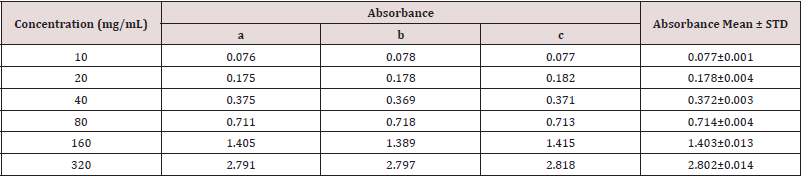
Absorbance of Gallic acid at different concentrations for the determination of total phenolic content (Table 2).

Table 2: Absorbance of Gallic acid at different concentrations for the determination of total phenolic content.

Lupinepublishers-openaccess-complementary-alternative-medicine-journal

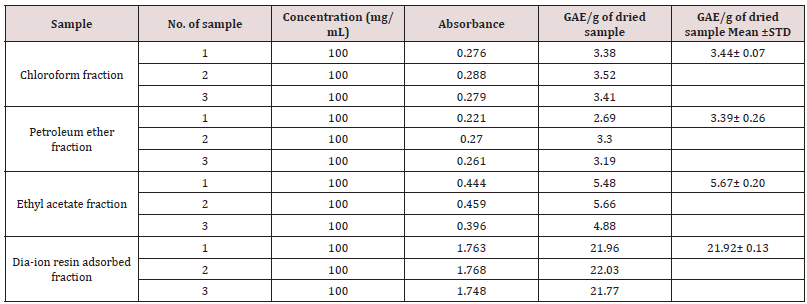
Determination of total phenolic content of different fractions of ethanolic extract of Alstonia scholaris (Table 3).

Table 3: Determination of total phenolic content of different fractions of ethanolic extract of Alstonia scholaris.

Lupinepublishers-openaccess-complementary-alternative-medicine-journal

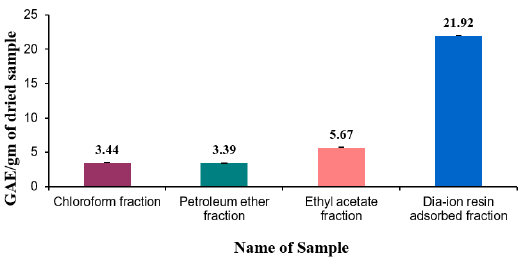
Total phenolic content of different fractions of Alstonia scholaris were shown in Table 5 and Figure 2. Among the fraction, the highest phenolic content was found in Dia-ion resin adsorbed fraction (21.92± 0.13mg Gallic acid/g of extract), followed by ethyl acetate fraction (5.67± 0.20mg Gallic acid/g of extract), Chloroform fraction (3.44± 0.07mg Gallic acid/g of extract), and Petroleum ether fraction (3.39± 0.26mg Gallic acid/g of extract) (Figure 1).

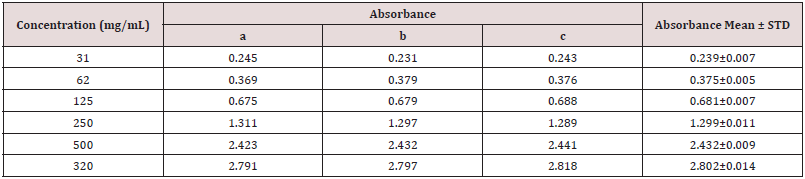
Table 4: Absorbance of catechin at different concentration for the determination of total flavonoids.

Lupinepublishers-openaccess-complementary-alternative-medicine-journal

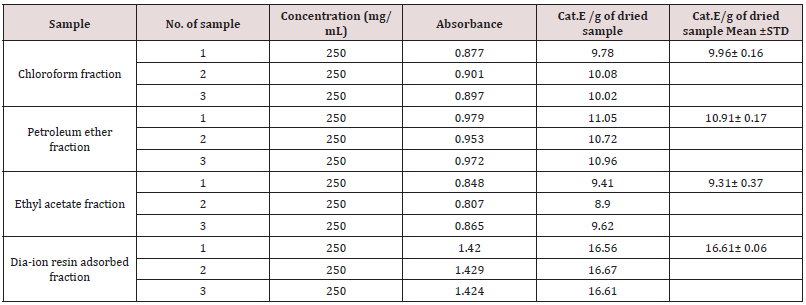
Table 5: Determination of total flavonoid content of different fractions of ethanolic extract of Alstonia scholaris.

Lupinepublishers-openaccess-complementary-alternative-medicine-journal

Figure 1: Total phenolic content (mg/g plant extract in gallic acid equivalent) of Alstonia scholaris.

Lupinepublishers-openaccess-complementary-alternative-medicine-journal

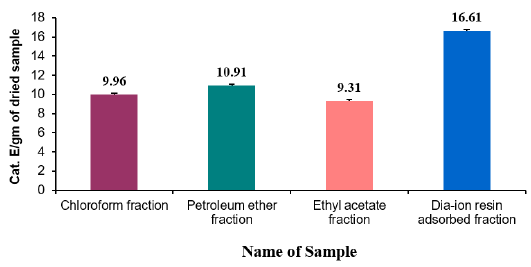
Figure 2: Total flavonoid content (mg/g plant extract in catechin equivalent) of Alstonia scholaris.

Lupinepublishers-openaccess-complementary-alternative-medicine-journal

Total Flavonoid Content

Absorbance of catechin at different concentration for the determination of total flavonoids (Table 4).

Determination of total flavonoid content of different fractions of ethanolic extract of Alstonia scholaris (Table 5).

Total flavonoid content of different fractions of Alstonia scholaris were show in Table 7 and Figure 2. Among the fraction, the highest total flavonoid content was found in Dia-ion resin adsorbed fraction (16.61± 0.06mg Catechin/g of extract), followed by Petroleum ether fraction (10.91± 0.17mg Catechin/g of extract), Chloroform fraction (9.96±0.16mg Catechin/g of extract), and Ethyl acetate fraction (9.31±0.37mg Catechin/g of extract) (Figure 2).

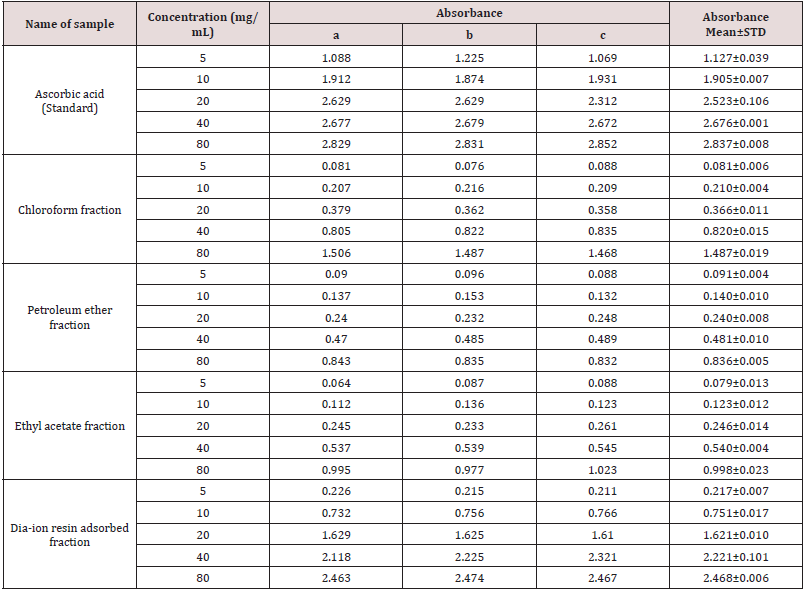
Table 6: Reducing power capacity of different fractions of ethanolic extract of Alstonia scholaris and Ascorbic acid (standard) at different concentrations.

Lupinepublishers-openaccess-complementary-alternative-medicine-journal

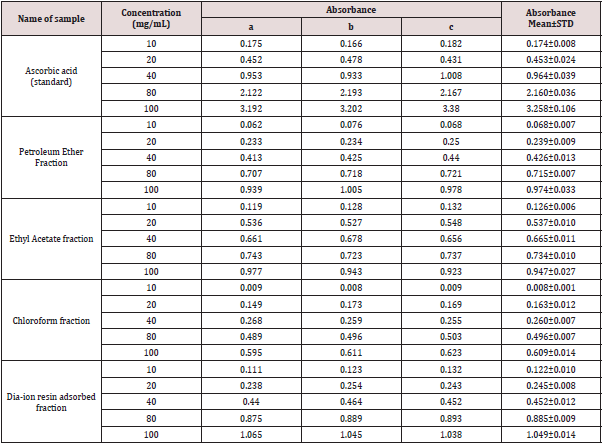
Table 7: Total antioxidant activity of different fractions of Alstonia scholaris and Ascorbic acid (standard) at different concentrations.

Lupinepublishers-openaccess-complementary-alternative-medicine-journal

Reducing Power Capacity Content

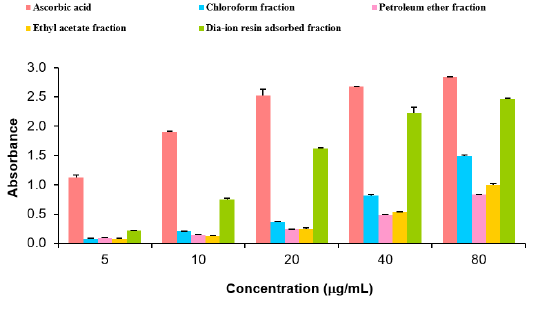
Reducing power capacity of different fractions of ethanolic extract of Alstonia scholaris and Ascorbic acid (standard) at different concentrations (Table 6).

The iron reducing capacity of the four different fractions of Alstonia scholaris extract such as petroleum ether fraction, chloroform fraction ethyl acetate and Dia-ion resin adsorbed fraction have been investigated. Among the four different extractives Dia-ion resin adsorbed fraction showed the highest iron reducing capacity with absorbance of 2.468±0.006 at 80μg/mL concentration, followed by Chloroform fraction with absorbance 1.487±0.019 at 80μg/mL, while Ethyl acetate fraction showed iron reducing capacity with absorbance of 0.998±0.023 at 80μg/mL and Petroleum ether fraction showed the iron reducing capacity with absorbance 0.836±0.005 at 80μg/mL (Figure 3).

Figure 3: Reducing power capacity of different fractions of ethanolic extract of Alstonia scholaris and Ascorbic acid (Standard).

Lupinepublishers-openaccess-complementary-alternative-medicine-journal

The reducing power of the different extractives and standard exhibited the following order:

Ascorbic acid> DRAF > CLF > EAF > PEF

Total Flavonoid Content

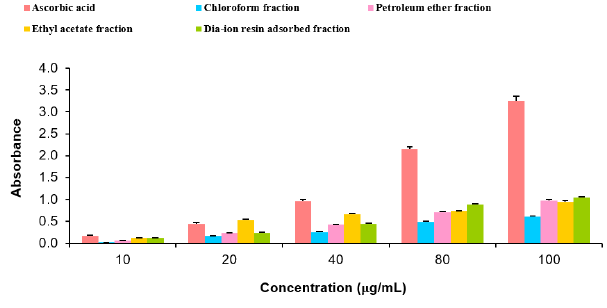
Total antioxidant activity of different fractions of Alstonia scholaris and Ascorbic acid (standard) at different concentrations (Table 7).

Total antioxidant activity of different fractions of ethanolic extract of Alstonia scholaris such as Dia-ion resin adsorbed fraction, chloroform fraction, Ethyl acetate fraction and petroleum ether fraction were investigated. Among the fractions, Dia-ion resin adsorbed fraction showed the highest total antioxidant activity with absorbance 1.049±0.014 at 100μg/mL. Whereas the Petroleum ether and Ethyl acetate fraction showed the absorbance 0.974±0.033 at 100μg/mL and 0.947±0.027 at 100μg/ mL respectively. Chloroform fraction showed the lowest total antioxidant activity with absorbance 0.609±0.014 at 100μg/mL concentration (Figure 4).

Figure 4: Total antioxidant activity of different fractions of ethanolic extract of Alstonia scholaris and Ascorbic acid (Standard).

Lupinepublishers-openaccess-complementary-alternative-medicine-journal

The total antioxidant activity of different extractives and standard exhibited the following order:

Ascorbic acid> DRAF > PEF > EAF > CLF

DPPH Radical Scavenging Activity

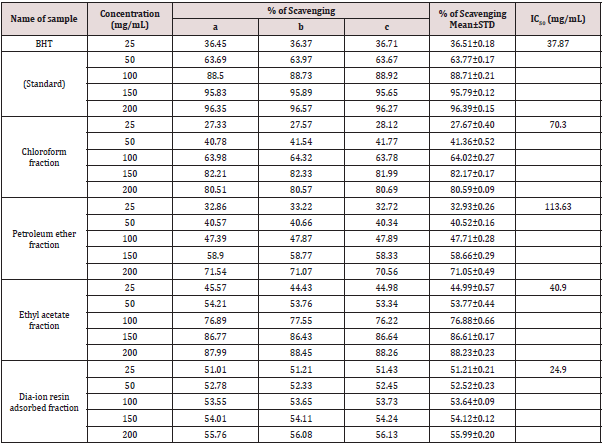
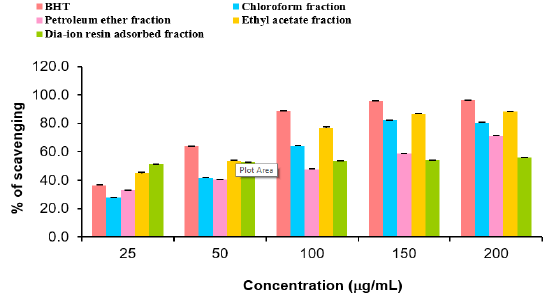
DPPH radial scavenging activity of different fractions of ethanolic extract of Alstonia scholaris and BHT (standard) at different concentrations (Table 8).

Table 8: DPPH radial scavenging activity of different fractions of ethanolic extract of Alstonia scholaris and BHT (standard) at different concentrations.

Lupinepublishers-openaccess-complementary-alternative-medicine-journal

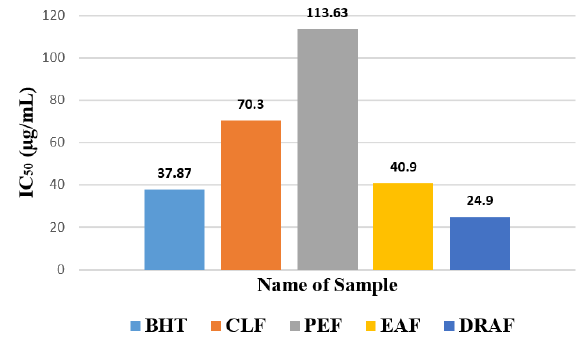
Among the fractions of the extract, highest DPPH radical scavenging activity was found in Dia-ion resin adsorbed fraction having IC50 value 24.90μg/mL. On the other hand, chloroform fraction showed DPPH radical scavenging activity with IC50 value 73.30μg/mL, followed by ethyl acetate fraction with IC50 value 40.90μg/mL and petroleum ether fraction showed DPPH radical scavenging activity with IC50 value 113.63μg/mL.

From the above results, we can conclude that, Dia-ion resin adsorbed fraction shows the highest activity in Total phenolic content, Total flavonoid content, Total antioxidant and DPPH radical scavenging (Figure 5 & 6).

Figure 5: DPPH radical scavenging activity of different fractions of ethanolic extract of Alstonia scholaris and BHT (standard).

Lupinepublishers-openaccess-complementary-alternative-medicine-journal

Figure 6: IC50 (g/ml) of different extractives of Alstonia scholaris for free redical scavenging activity by DPPH radical.

Lupinepublishers-openaccess-complementary-alternative-medicine-journal

Conclusion

The present study investigated the plant Alstonia Scholaris for antioxidant evaluation and biological activity of different extractives. For this purpose, total phenolic content, total flavonoid content, total antioxidant, DPPH radical scavenging activity tests were performed with four different fractions of the plant. From the results of the antioxidant activity test, it is clearly seen that Diaion resin adsorbed fraction had the highest antioxidant activity. Considering the antioxidant activities assay of A. scholaris, it can be deduced that this plant contains useful potent bioactive toxic compounds, which can be harnessed and purified into useful therapeutic drugs. However, further studies are warranted for more extensive antioxidant and biological evaluations to elucidate before bringing them into commercial use.

For More Lupine Publishers Open Access Journals Please visit our Website:
To Know More About Open Access Publishers Please Click on Lupine Publishers

Follow on Twitter:  https://twitter.com/lupine_online

https://lupinepublishers.com/complementary-alternative-medicine-journal/fulltext/phytochemical-and-antioxidant-activities-of-different-fractional-extracts-of-alstonia-scholaris-linn.ID.000140.php

Smoking May Not Increase Systolic and Diastolic Blood Pressures

  Abstract Background: We tried to understand whether there are some effects of smoking on systolic and diastolic blood pressure...