Lupine Publishers | Open access Journal of Complimentary and Alternative Medicine
Abstract
Background: Complementary itoms (CI), Traditional therapies
(TTs), and Alternative therapies (ATs) use is common. ATs and
TTs are used singly or with modern medicare for prevention, treatment as
complementary therapy (CT), even during pregnancy
globally. Their use seems to have increased, even in developed
countries, with little recorded evidence of reasons for use, efficacy,
and side effects.
Objectives: To know types of complementaries or CT used by pregnant women and reasons for use.
Material Methods: Present study was carried out. by interviews of 1200 women with predesigned tool in postnatal wards a day
after delivery. More rural women delivered, but were equalized, 600 rural, 600 urban.
Results: Use of CI/CT was reported by 11.4% rural,11.2% urban women. Most frequently used item was Kesar (3%) during
pregnancy, Coram seeds (2%) during labour, Aniseed (0.75%) and Coram seeds (0.75%) in postpartum. period with no difference
weather rural or urban, less or more educated or of any, economic class. Those with physical symptoms were more likely to use
CT/CI. Primigravida used for having natural birth. Six percent used CI postpartum for better lactation, elevated mood, prevent
postpartum depression. CI were given to baby too, Honey was most commonly used for religious belief, source of energy, and to
increase immunity of newborn too. Massage was universal.
Conclusion: CI/CT were used during pregnancy, labor,
postpartum in wards, labour room without service providers knowing.
Health professionals of modern medicine need to ask. Many of CI used
were harmless, may be helping. Community based research
is needed Institutes of Health (NIH) now has a division dedicated to the
investigation of alternative and complementary therapies.
(https://www.nccih.nih.gov/).
Keywords: Pregnant women; Complementary therapies; Reasons
Background
Traditional modes of prevention and treatment have always
played a role in health care. They are used globally, and their use
seems to have increased, even in the developed countries [1-5].
It was believed that almost four billion people worldwide used
such therapies [6], either because nothing else was available, or
accessible or not affordable or due to dissatisfaction with the
modern medicine or may be the faith on such modes. In the Indian
culture, use of traditional therapies (TT) have always been there.
Am Fam Physician reported that in the present times women use
TT with conventional modern medicine specially during pregnancy
as complementary therapies (CTs). Some use kitchen itoms as
complementary itoms (CI) While reviews have concentrated on
the use of CI/CTs by pregnant women with recommendations
for use by health professionals too during pregnancy, findings of
relevant CTs-based studies have placed less emphasis on critically
appraising the core elements of study designs and reporting.
Limited reviews of CTs recommendations made by healthcare
professionals revealed that CTs, particularly Aayurvedic, Herbal therapy, Chiropractic, Acupuncture/Acupressure, Massage,
Homeopathy, and Aromatherapy were commonly recommended
and used in the maternity settings [7-9].
Objectives
To know the types of CIs, CTs used by women, during pregnancy,
labor, post birth, and reasons for use.
Materials and Methods
Present study was carried out after institute’s ethics’ committee’s
approval over a year in the Obstetrics Gynecology department
of a rural medical institute in Central India. Since sample size
would have been hypothetical, so study duration was considered
a key component and it was decided to collect information over
10 months to get sufficient study subjects , with one month for
plans and one month for analysis, total one year study duration.
The research assistant who was briefed about the objectives of
the study, interviewed women with the help of a predesigned
questionnaire in the local language, after taking consent a day
after delivery. Subjects were interviewed, until maximum 6 days
postpartum. If there were more than 6 births on a day, randomly
6 were interviewed and if less women delivered then all were
interviewed, making around 120 cases in a month. Twelve hundred
postpartum women were interviewed, they were asked about. CIs/
CTs they used during pregnancy, labour and postpartum. These
women were of 20-39 years. Though more women who delivered
were rural, as were overall health seekers at the rural institute, they
were equalized, 600 rural and 600 urbans to get information as per
the objectives. and see the differences in rural and urban women.
Though more women were from lower economic class, but some
were from middle and middle upper economic class. (Modified
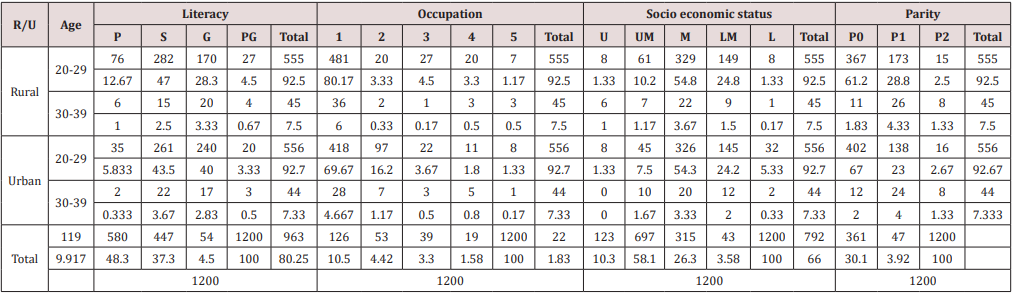
from Tiwari) [10] 58.1% were from middle economic status, more
women were educated till primary school or secondary school.
But some study subjects were undergraduate, and postgraduate
studied too, 48.3% women were educated till secondary and 37.5%
were graduates Education did not make any difference. In use of
CT/CI Most of the women were of 20-29yrs, around 92%, Overall,
80.2% were housewives, 66% were nulliparous and 30.1 % were
primi para (Table 1).
Table 1: Age, Rural Urban, Literacy, Occupation, Socio –economic status, Parity.
P –primary 1-Housewife U- Upper
S- Secondary 2- Labourer UM – Upper Middle
G- Graduate 3- Work in Own Farm M - Middle
PG- Post Graduate 4- Office work LM- Lower middle
5- Skilled worker L- Lower
Results
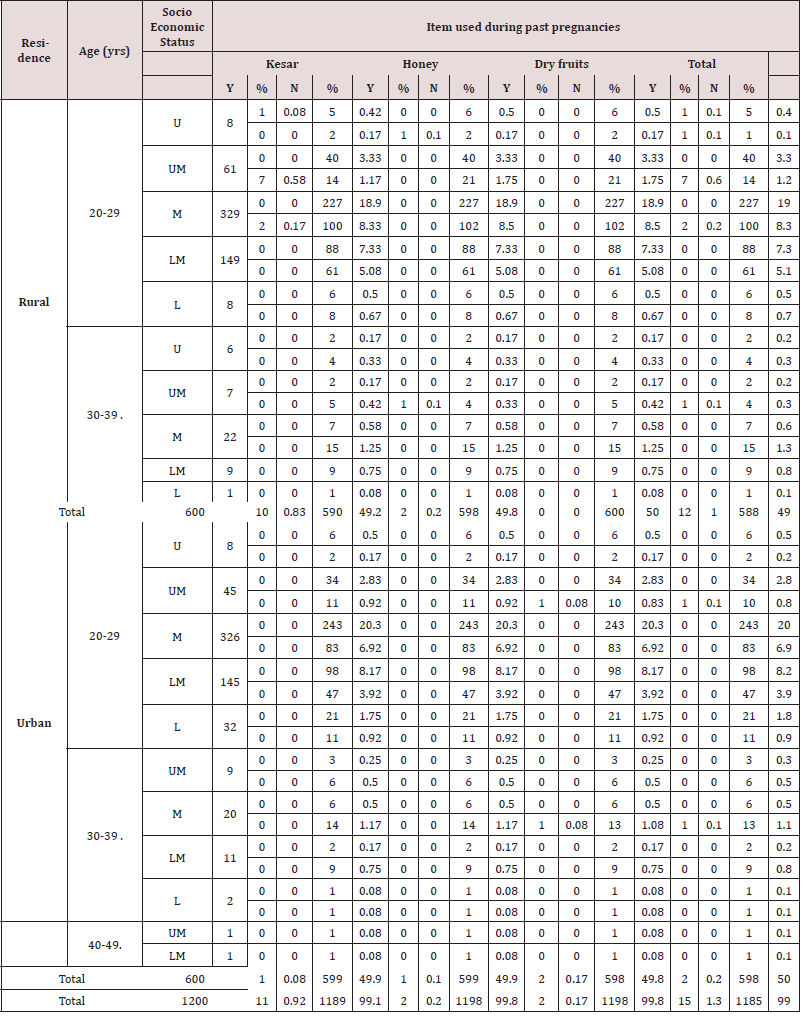
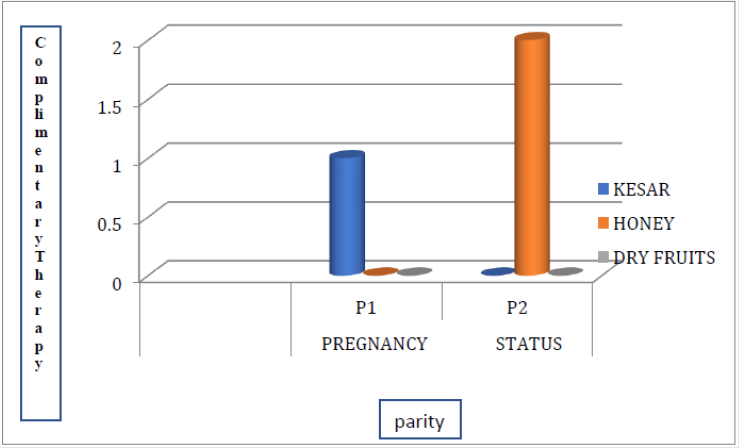
When the details of the use of CIs/CTs, in the past pregnancy
were asked it was revealed that it was mainly use of CIs. Massage
was universal. Kesar was used by 0.92% urban and 0.83% rural
women. Other items specially used were honey and dry fruits
(Table 2).
Table 2: Complimentary Therapy in Past Pregnancy.
U- Upper UM – Upper Middle M- Middle LM – Lower Middle L- Lower P0- P1 P2- Parity
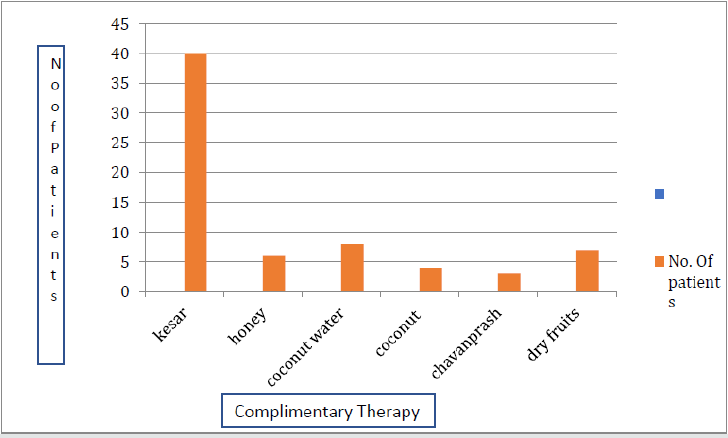
In the present pregnancy 135 (11.3%) urban and 68 (5.7%)
rural women had used CIs during pregnancy. CI were Kesar,
Honey, Coconut water, Coconut, Chavanprash Ayurvedic mixture
of various Herbs and Dry fruits. Kesar was the most commonly
used CI during pregnancy, by rural as well as urban women 3.3%
and 3% respectively, Dry fruits by 0.8% and Coconut water by
7%. Chavanprash was used by 0.3% rural women and 0.3% urban
women. Honey was also used Chavanprash and Honey were
considered source of energy for the mother and baby (Table 3 & 4).
Table 3: Complimentary Therapy During Pregnancy.
U- Upper UM – Upper Middle M- Middle LM – Lower Middle L- Lower P1 P2- Parity
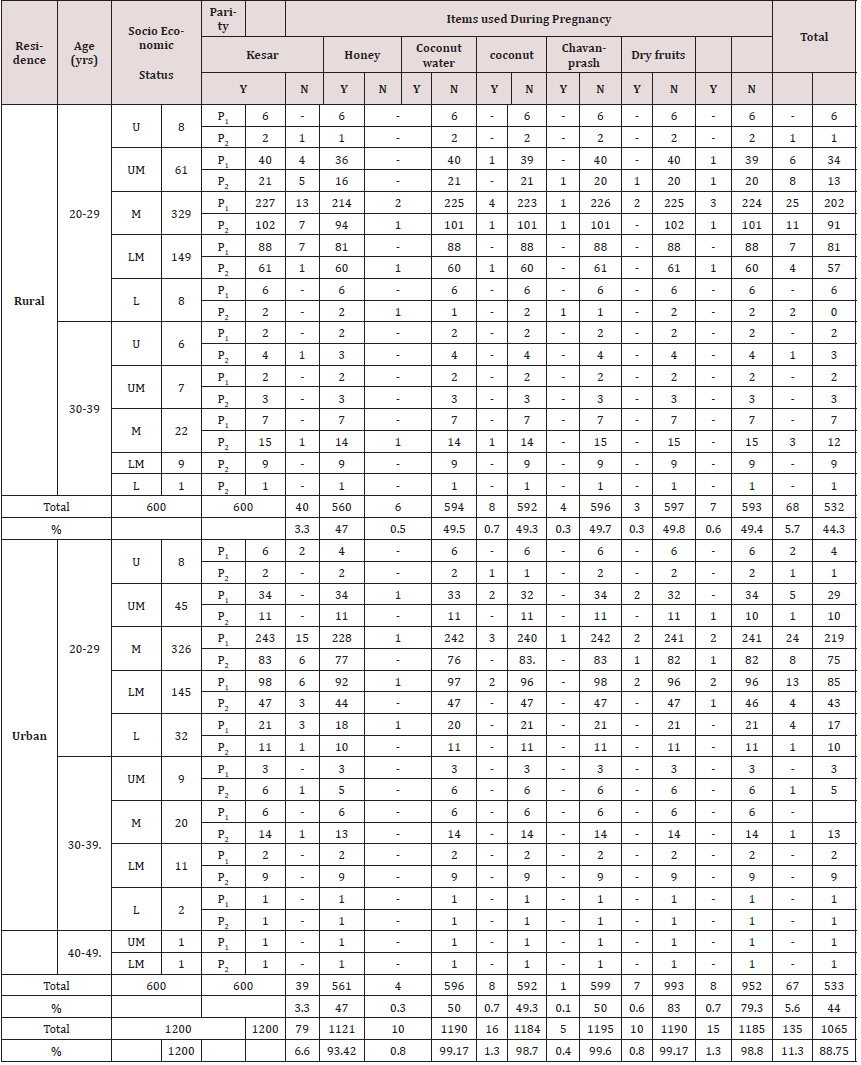
Table 4: Complimentary Therapy During Labour.
U- Upper UM – Upper Middle M- Middle LM – Lower Middle L- Lower
P0- P1 P2- Parity
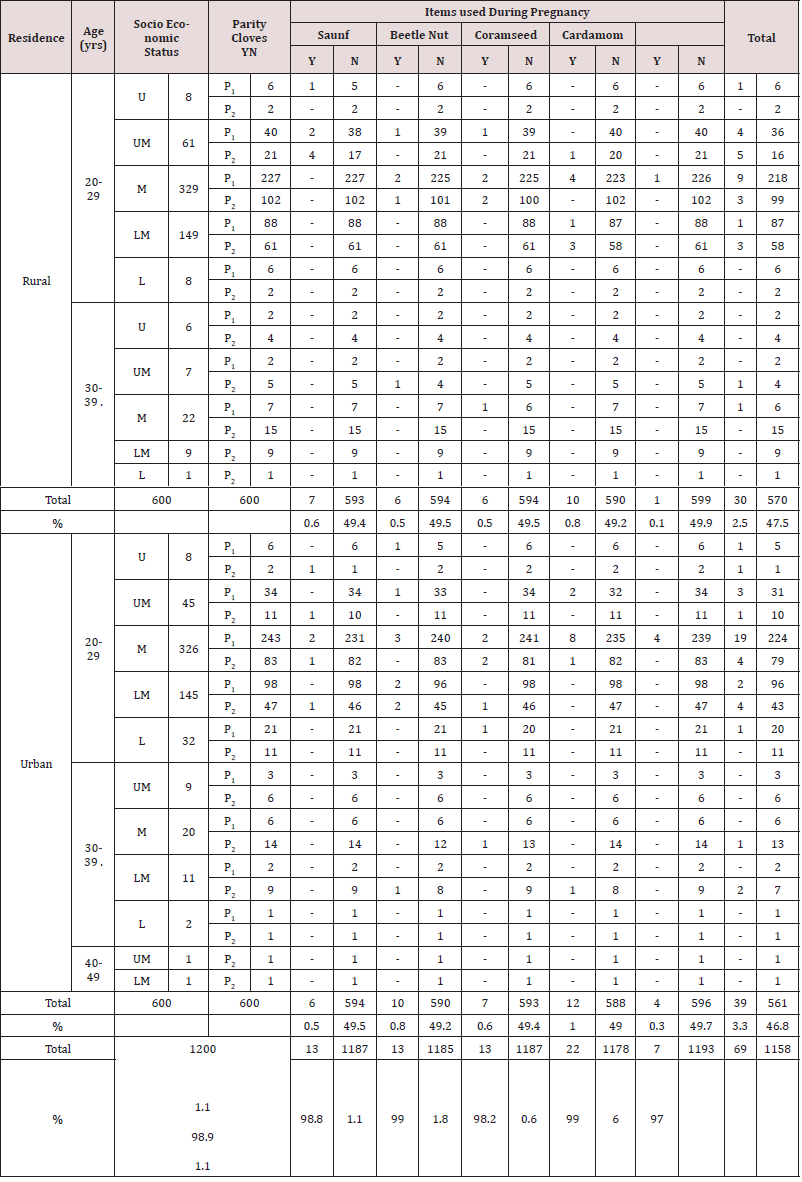
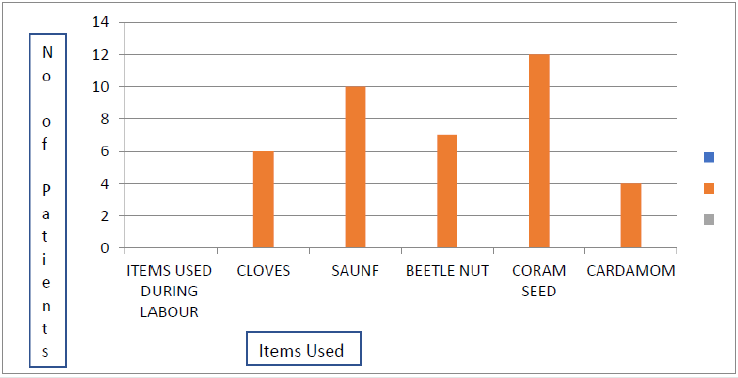
During labour the CIs used were Cloves, Saunf, Beetle Nut,
Coram Seeds and Cardamom by 2.5% rural women and 3.3%
urban. Most of those who consumed CIs were of middle class and
of 20-29yrs. Overall nearly 6% laboring women used CIs. They did
not inform about CIs to any health provider. The reasons given were
that medication given in the hospital did not completely resolve the
labour related ailments and CIs provided a more natural and faster
relief. They said the usage of CIs increased the chances of natural
birth and decreased the pain during delivery. Coram seeds were
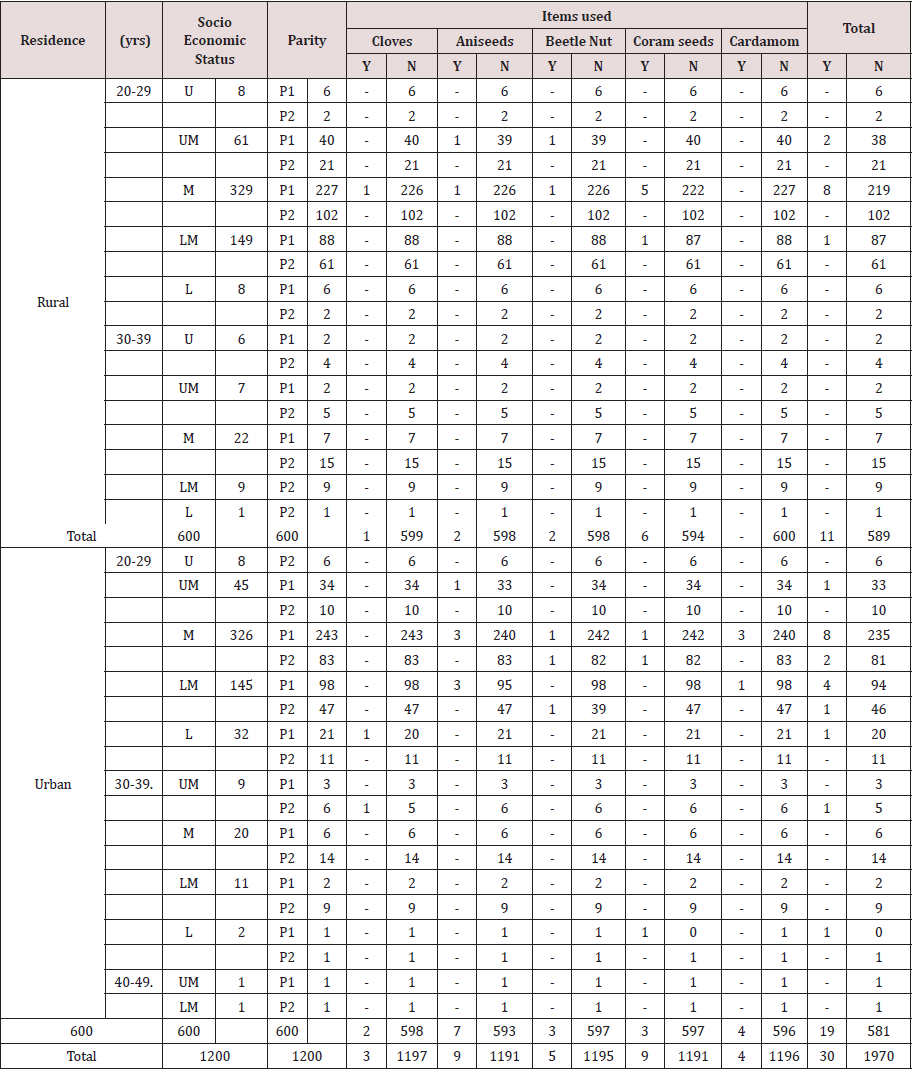
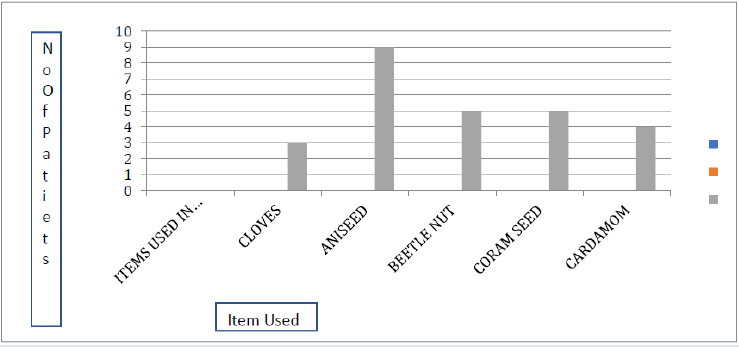
used by 1.6% women. CIs were used by 2.5% women in postpartum
period. Common items used in post-partum were Cloves, Beetle
nut, Ani seeds, Coram seeds, and Cardamom. Aniseeds and Coram
seeds were used by 0.75%, Beetle nut by 0.4%. Women used CIs for
preventing postpartum depression, mood elevation and improving
lactation (Table 5).
Table 5: Complimentary Therapy in Postpartum period.
U- Upper UM – Upper Middle M- Middle LM – Lower Middle L- Lower
P0- P1 P2- Parity
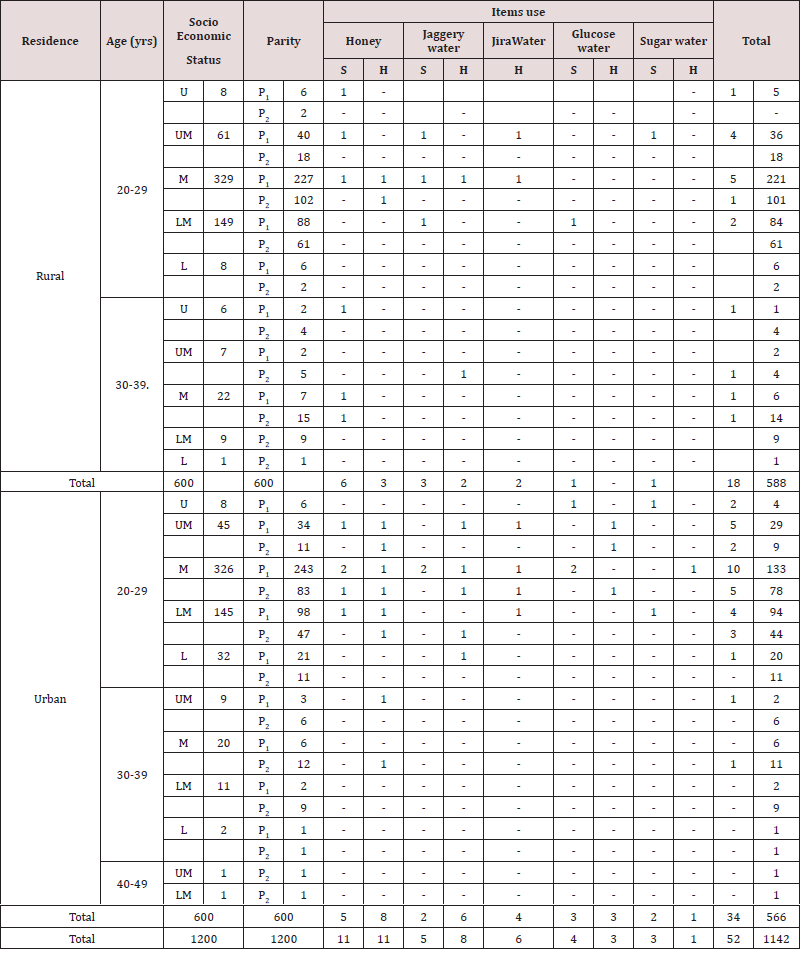
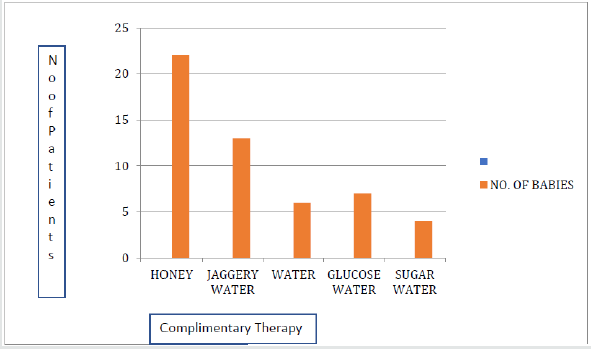
CIs like. Honey, Jaggery water, Jira water, Glucose water and
Sugar water were also given to the babies. Over all 4.3% women
gave CIs to their babies. Mostly Honey and jira water. with no
difference in rural or urban women. Over all 4% women gave CIs
to babies, Honey or Sugar in water, by 1.8% followed by Jaggery. It
was revealed that more urban women, 34 (5.6%) used CIs for baby
compared to rural women 18 (3%). CTs for baby were considered a
source of energy to the newborn as well as were believed to boost
the immunity of the newborn in conjunction with breastfeeding
(Table 6). Tradition of massage was almost universal, legs and back
during pregnancy and all over the body in postpartum, and to the
baby too. This was irrespective of economic status or education.
Table 6: Complimentary Therapy Given to Baby.
U- Upper UM – Upper Middle M- Middle LM – Lower Middle L- Lower
P0- P1 P2- Parity S – Strong H - Healthy
Discussion
AT, TT, CTs and CIs encompass a broad spectrum of beliefs and
practices used for treating or preventing various disorders and also
for health promotion. Such CTs or CIs are believed to be used by
pregnant women, for better growth of the baby or treating minor
aliments or smooth birth process and may be women or their
families had other notions Tiran [11] also opined that CTs may not
be entirely free of risk. Still the use of TTs or ATs, CTs has become
increasingly common in developed countries too, with women being
the most frequent users. After review of various studies about CTs
for perinatal depression. Sparling [12] reported that adequately
powered systematic studies were necessary for knowing the role
of ATs/CTs in the treatment of perinatal depression. Researchers
reported that the estimates varied widely from 1% to 87%, but
the general trend indicated that a significant number of pregnant
women used CTs. Common modalities used included Massage,
Herbal medicine, Relaxation therapies and Aromatherapy. Reasons
for use varied and included the belief that these therapies offered
safe alternative to pharmaceuticals and had better efficacy.
They allowed greater choice and control over the childbearing
experiences, In the present study when the usage of CIs/CTs was
studied it was found that women of 20-29 years of age used these
therapies the most. Body massage was universal. Women used
CTs/CI for relief from anxiety during pregnancy and delivery and
used them for a smoother delivery process and better outcome No
difference was found with education or economic status. Most of
the women using CTs had studied upto secondary school. Most of
the women were housewives.
Truijens et al. [13] reported that many women were habitual
users of such items in daily life. So, they continued using them even
in pregnancy and delivery with the belief that CTs/CIs prepared
the body better for pregnancy and labor. It was found that CIs were
used more often in labor by primigravidae. This could be due to
anxiety about the birthing experience with a lower threshold for
tolerance of minor ailments, pain and desire of better birthing
experience. And also, women listened to whatever was told by the
family. Most expectant women used CIs on advice of family and
friends, and they did not disclose use of CIs to their care providers.
Skouteris [14] in his study, reported that half the Australian women
surveyed consulted ATs practitioner for pregnancy related health
conditions. It was quite common for women to consult multiple AT
practitioners alongside their conventional maternity care providers.
If a woman consulted a AT practitioner and conventional care
provider simultaneously for the management of the same condition,
without disclosing use of ATs to either practitioner, this could creat
risk for mother or baby or both through possible pharmacological
interactions between treatments or broader conflicts between the
treatment goals of the two (or more). Bridee [15] reported that
CTs use among pregnancy similar to non-pregnant, while during
postpartum CTs use decreased., only 7.6% of women did not take
any medicinal product throughout pregnancy. In various studies
done for CTs results varied because they were affected by a number
of factors. Health professionals of modern medicine needed to ask
women about use of ATs or TTs CTs. Women may choose AT or
CTs in pregnancy to have control over growth of baby and hence
perceived as safer treatment option in pregnancy and childbirth or
to select a treatment choice not covered by conventional medicine
to prepare the womb and cervix for childbirth.
In the study by Jung et. al [16,17] the proposition of CT user
among pregnant women was relatively high. Health providers,
while respecting the beliefs of communities, needed to find means
of best advocacy for safe practices. Knowledge of ATs/TTs, CTs CIs
needed to be part of everyday clinical practice for the practitioners
of modern medicine. They needed to promote beneficial practices
and discourage the harmful modalities, for which research is
essential. Awareness needs to be created in a sensitive way and
also make health providers aware of existing ATs, TTs and CIs.
Study by Hollyer [18] revealed a generalized lack of knowledge and
poor understanding of the possible risks to women. and researcher
reported that women’s holistic needs may not be met within a
medical model of maternity care So CTs have a place. Many pregnant
women who used CTs did not know whether they did good or bad
to the mother and/ or the baby. The lack of awareness could lead
to serious hazards in the mother and /or the baby. Massage and
Aromatherapy were used for treating anxiety, Acupressure for back
and pelvic pain and Acupressure, and ginger for morning sickness
is known.
In the present study in past pregnancy less women had taken
traditional medicine and Low Dog [19] reported that they had lack
of knowledge of these products and hesitated because the safety
of these products was not known. The women felt that they could
have better control of pregnancy and improved growth of the baby.
In general, CTs are increasingly being integrated into maternity
care [20]. Use of Herbal and other natural treatments have been
reported to be increasing in the United States and Canada, also as
valid treatments [21]. Because Herbal and other natural remedies
were not regulated to the same degree as traditional pharmaceutical
products, use in pregnancy a potentially vulnerable time for both mother and fetus, so monitoring such things was thought to be
essential [22]. Kesar and Carom seed use in pregnancy as per their
traditional belief, cleaned the stomach and helped in reducing
vomiting and indigestion. During post-partum period it increased
the energy in the body and prevented infection Health and Balanve
Guife [23] reported that for Nausea; Acupuncture, Acupressure,
Ginger root worked well and were considered safe for pregnant
women, Exercise, hypnosis and on Herbs close to the skin have
been stated to be beneficial in turning a breech baby. Relaxation
techniques, patterned breathing, emotional support, and selfhypnosis
are already widely used CT in labor. Robust research is
needed to understand their utility, benefits and concern if any.
Pregnant women struggle with various health issues that can affect
fetal development and normal delivery in the present study overall
use was somewhat lower than expected. Conovar [24] from a single,
urban hospital found that, 4.1% of women reported using an Her
During labour Coram seeds were consumed by women with
the beliefs that the conventional medications did not cover all the
ailments and CI provided better and faster relief of symptoms.
Moreover, they prepared the uterus and cervix for a better
birthing experience and increased the chances of natural birth.
Women reported CIs improved lactation and specially in prim para
lowered the chances of postpartum depression, elevated mood and
symptomatically treated minor ailments. For the baby honey was
the commonest CI given. According to Pallivalappila et al. [25] the
application of a consistent and useable CTs definition proved to be a
major issue. However, what is used, why is used are not well known.
There are very few high-quality studies about the effectiveness CTs or
ATs and more studies are needed. Studies should focus on the safety
of specific with respect to wide range of pregnancy conditions and
outcomes. Indeed, whether or not a particular therapy is deemed
to be CTs may differ between countries, healthcare settings, and
specialities. The lack of definitions and checklists may explain why
the reported prevalence of CTS use appears to be highly variable,
even within similar populations. However, what is used, why is used
are not well known. Research is needed.
Conclusion
Community based research is needed to gain a greater
understanding of the true use of AT, TT, CTs, CIs by pregnant women.
Health professionals should ask women about use. It is essential to
know what they use during pregnancy, labour and after delivery.
Further evaluation of CTs among pregnant and postpartum women
is necessary to determine the costs and benefits of integrative
TTs in conventional care. Larger studies are needed for better
understanding of the role of CTs in pregnancy (Graph 1-5).
Graph 1: Complimentary Therapy in Past Pregnancy.
Graph 2: Complimentary Therapy During Pregnancy.
Graph 3: Complimentary Therapy During Labour.
Graph 4: Complimentary Therapy in Postpartum period.
Graph 5: Complimentary Therapy Given to Baby.
Follow on Twitter: https://twitter.com/lupine_online
https://lupinepublishers.com/complementary-alternative-medicine-journal/fulltext/use-of-complementaries-by-pregnant-women.Id.000147.php